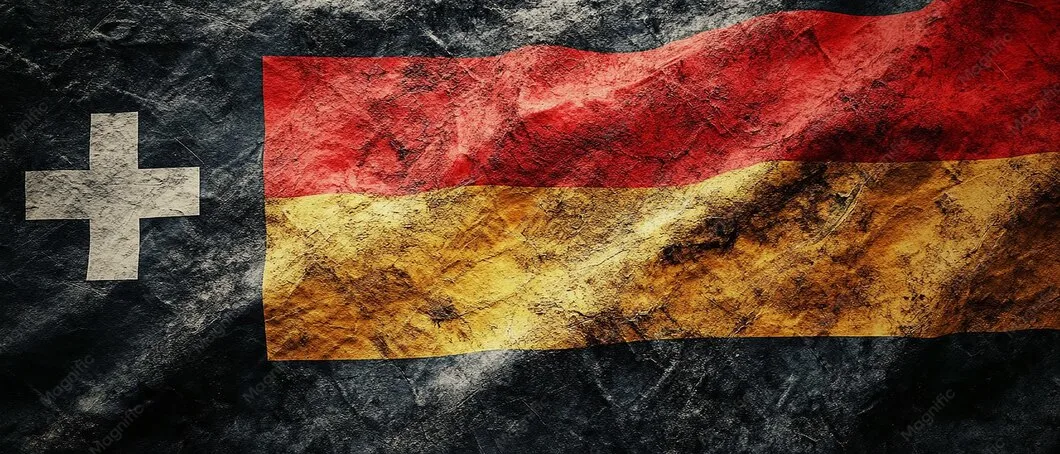
The flag flown by Germany during World War I is more than just a piece of cloth; it is a symbol interwoven with the era’s tumultuous history and shifting national identities. Understanding the flag’s design, symbolism, and usage provides valuable insights into the German Empire’s mindset during one of the most pivotal periods in 20th-century history. This comprehensive guide explores the intricate details of the WW1 German flag, its evolution, and its enduring legacy.
Historical Context of the WW1 German Flag
Pre-War German Flags
Before the outbreak of World War I, Germany’s national emblem was the Reichskriegsflagge or Imperial War Flag. This flag, representing the German Empire, was characterized by its black, white, and red color scheme, a symbolic tricolor that had become synonymous with German nationalism since the unification under Kaiser Wilhelm I in 1871. The flag’s elements reflected the unity of Prussian and North German Confederation traditions.
Changes During the War
As World War I began in 1914, the German Empire maintained its emblematic flag. However, variations existed, particularly in military contexts, where the flag often bore additional symbols like the Iron Cross, demonstrating allegiance to the military leadership and valor. These variations were crucial in distinguishing different military units and branches during wartime operations.
Design and Symbolism of the Flag
Colors and Symbols
The WW1 German flag’s palette of black, white, and red held deep nationalistic significance. Black symbolized strength and valor, white represented purity and honesty, while red signified bravery and the blood of those who defended the nation. These colors not only unified the nation internally but also differentiated Germany from its allies and adversaries on the global stage.
The Iron Cross and Its Meaning
One of the most recognizable elements on various versions of the WW1 German flag is the Iron Cross, a military decoration that dates back to the early 19th century. The Iron Cross was a mark of honor and valor, often integrated into flags to signify military prowess and a connection to Prussian military traditions.
The Flag’s Role in WW1
Key Battles and Events Featuring the Flag
Throughout World War I, the German flag was a prominent feature on the battlefields of Europe. It symbolized the presence and might of German forces in key battles such as the Battle of Verdun and the Battle of the Somme. The flag was more than a military standard; it was a morale booster for troops and a symbol of the Kaiserreich’s ambition.
Propaganda and Nationalism
The flag also played a crucial role in wartime propaganda, used to rally nationalistic fervor and unify a diverse empire under a common cause. Posters and media of the time frequently featured the flag, embedding it in the collective memory and identity of the German populace.
Comparison with Other Nations’ Flags
Allies vs. Central Powers
The WW1 German flag stood in stark contrast to the flags of the Allied powers, which often featured more vibrant or peaceful color schemes. This distinction was not merely aesthetic but ideological, representing the diverging paths and philosophies of the warring nations.
Symbolic Differences
While Allied flags typically emphasized liberal democratic ideals through their symbols and colors, the German flag’s design was rooted in imperial and militaristic traditions. This difference highlighted the fundamental ideological rifts that defined the conflict.
Preservation and Collecting WW1 Flags
Restoration Techniques
Preserving historical flags requires meticulous care and expertise. Techniques such as careful cleaning, stabilization with custom supports, and controlled environmental storage are essential to maintaining these artifacts’ integrity for future generations.
Notable Collections and Museums
Several museums around the world house collections of WW1 German flags, including the Imperial War Museum in London and the German Historical Museum in Berlin. These institutions offer insights into the flag’s history and its broader impact on world events.
Modern Perception and Usage
Historical Reenactments
Today, historical reenactments often feature WW1 German flags to provide authenticity and educational value. These events help to commemorate the era and educate the public about the complexities of the Great War.
Educational Uses
In educational settings, the WW1 German flag serves as a visual tool to teach about nationalism, imperialism, and the socio-political dynamics of the early 20th century. It provides a tangible connection to the past, fostering a deeper understanding of history.
The journey of the WW1 German flag from a wartime symbol to a subject of historical study reflects its complex legacy. As a representation of the German Empire’s ambitions and struggles, the flag offers a window into the national psyche during one of history’s most turbulent periods. Its enduring presence in modern discussions underscores the lasting impact of historical symbols on national identity and memory.
Frequently Asked Questions
- What was the German flag during WW1?
The German flag during World War I was primarily the black, white, and red tricolor associated with the German Empire, often featuring the Iron Cross in military contexts. - Why did the German flag change after WW1?
Following WW1, the Weimar Republic adopted a black, red, and gold tricolor flag, symbolizing a break from imperial traditions and an embrace of democratic values. - What is the symbolism of the colors in the WW1 German flag?
The colors black, white, and red represented strength, purity, and bravery, respectively, embodying the nationalistic and militaristic ethos of the German Empire. - How is the WW1 German flag viewed today?
Today, the WW1 German flag is primarily a historical artifact, used in educational and commemorative contexts to explore the era’s history and its impact on modern Germany. - Are there any controversies surrounding the WW1 German flag?
While largely historical, the flag can be contentious when used inappropriately, as it may evoke memories of imperialism and conflict. Its use is often regulated to ensure respectful and educational purposes.

Related Posts