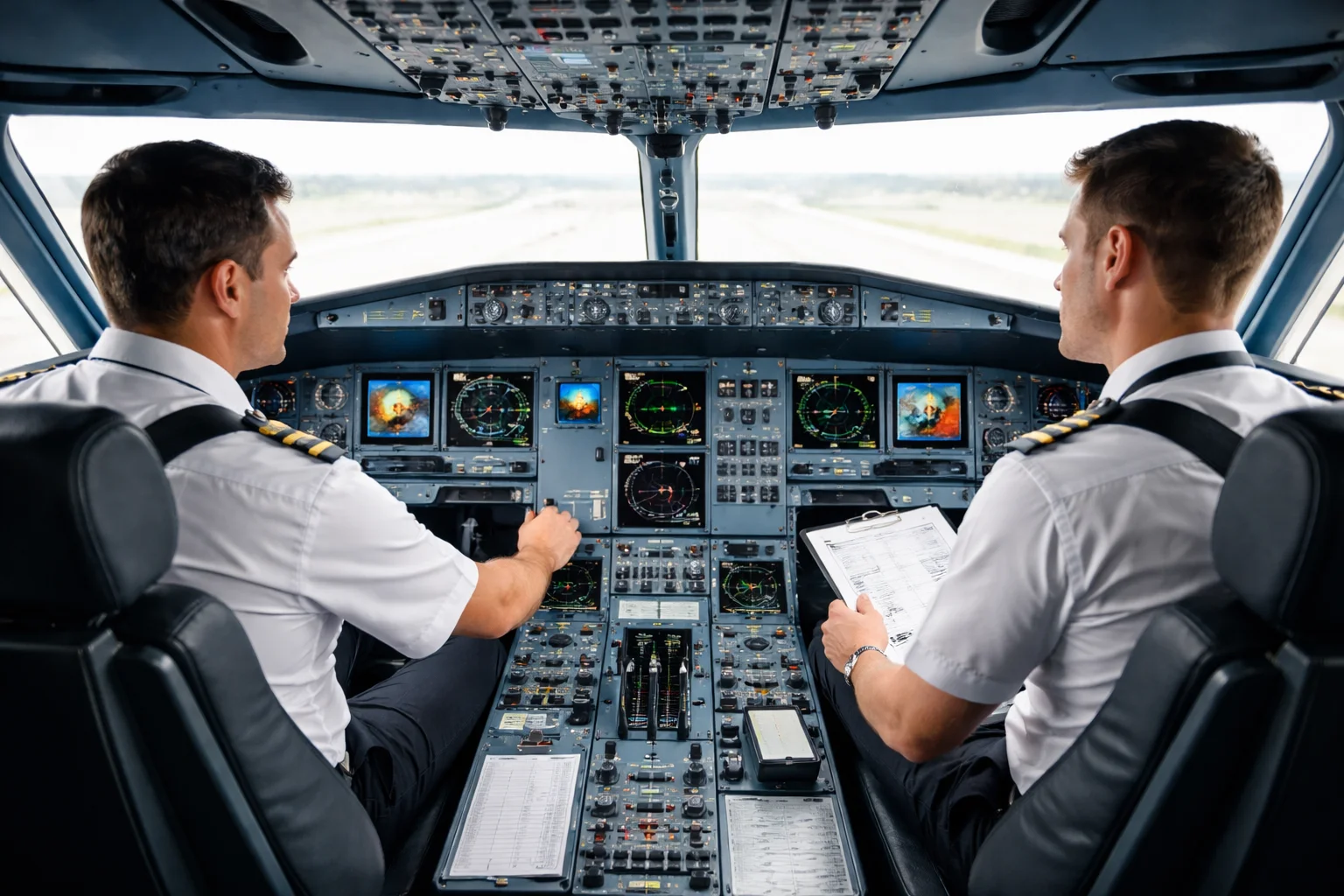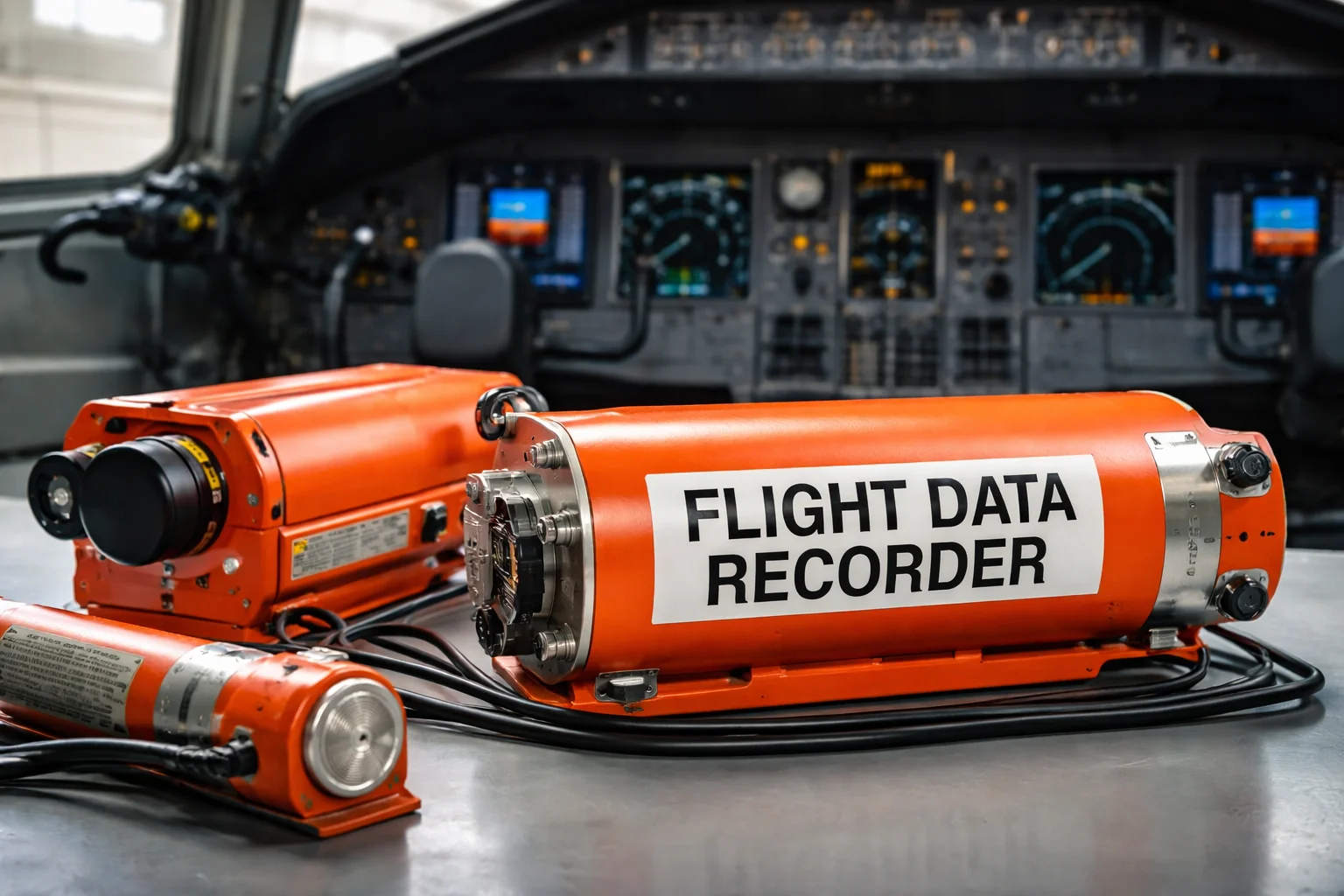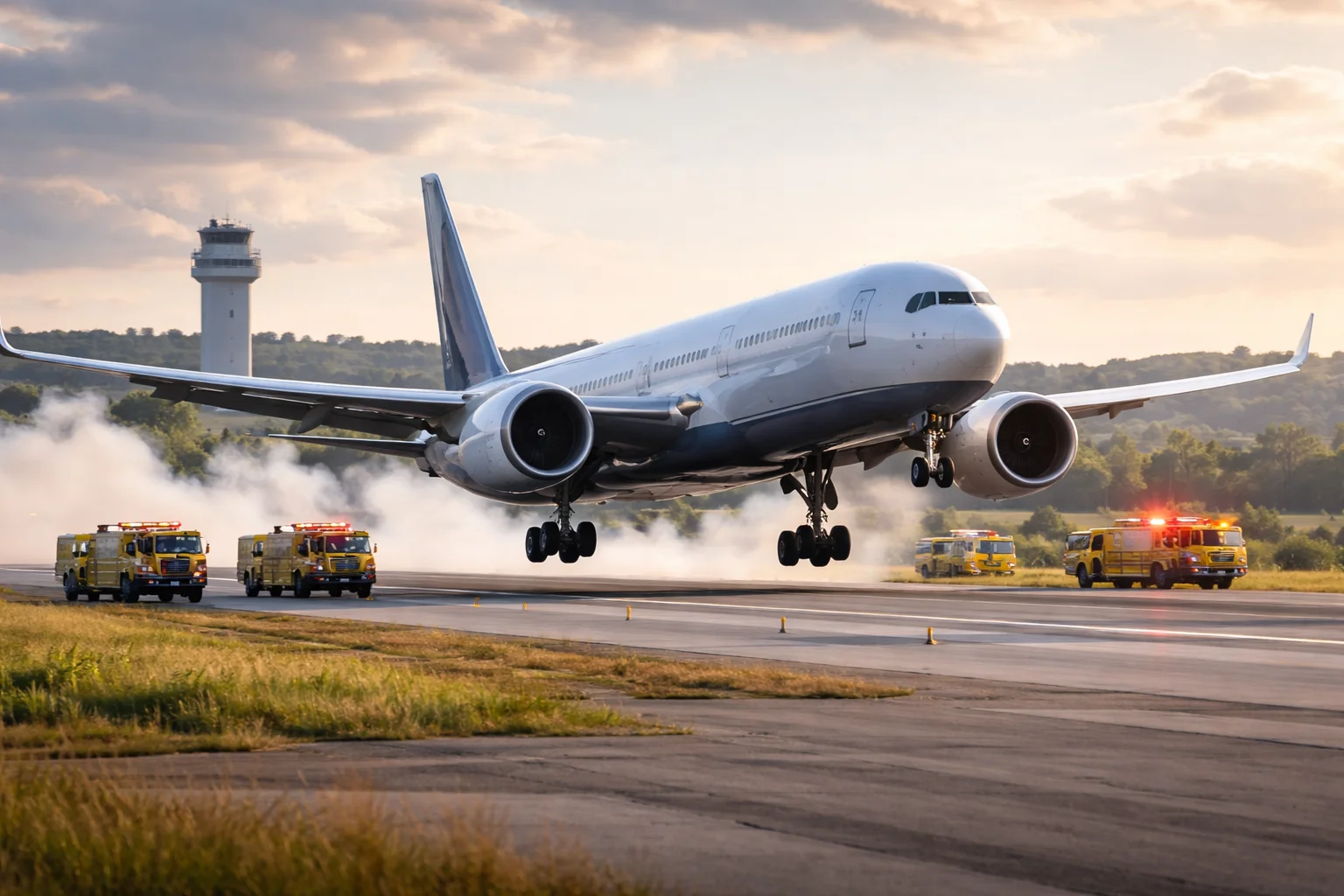
OpenSkyNews Aviation Safety examines the organized systems, professional standards, and everyday decisions that help protect aircraft, crews, passengers, and people on the ground. Safe flight does not depend on one machine, one person, or one rule. It comes from multiple layers working together before departure, throughout the journey, and after the aircraft lands.
These layers include aircraft design, maintenance, pilot training, air traffic management, weather assessment, operational procedures, incident reporting, and regulatory oversight. Each layer has limitations, but the wider safety framework is designed so that one weakness does not automatically develop into a serious event.
Understanding this structure also helps passengers interpret aviation news more accurately. A diversion, technical inspection, rejected takeoff, or precautionary landing may sound alarming, but such actions often demonstrate that the safety system is responding as intended.
Aviation Safety Is a System, Not a Single Result
A flight may appear straightforward from the passenger cabin, but it is supported by a large operational network. Flight crews, dispatchers, engineers, maintenance personnel, air traffic controllers, airport teams, weather specialists, and regulators all contribute to the journey.
Their responsibilities are different, yet their work is connected. A weather update may lead a dispatcher to recommend another route. That route may require coordination with air traffic control. The flight crew must then consider fuel, traffic, airport conditions, and operational limits before accepting or modifying the plan.
This connected structure is important because aviation risk rarely comes from one isolated factor. Several small problems can become serious when they occur together. The purpose of a mature safety system is therefore to identify those factors early, understand how they interact, and prevent them from forming a dangerous sequence.
The Layered Approach to Risk Control
Aviation uses multiple protective layers because no individual safeguard can be perfect. Equipment can malfunction, people can misunderstand information, weather can change, and circumstances can develop in unexpected ways.
Typical safety layers include:
- Reliable aircraft design and certification
- Scheduled maintenance and technical inspections
- Standard operating procedures
- Pilot and cabin-crew training
- Independent cross-checks
- Air traffic monitoring and separation
- Weather observation and forecasting
- Operational limits
- Voluntary and mandatory safety reporting
- Investigation and corrective action
These measures overlap. If one layer fails to identify a problem, another may still detect or contain it. For example, an aircraft warning system may alert the crew to an abnormal condition, a checklist may guide the response, and air traffic control may provide the space needed for a safe return or diversion.
Redundancy does not mean every component is duplicated in exactly the same way. It means that essential functions are protected through alternative equipment, procedures, information sources, or human oversight.
Standards Turn Safety Principles Into Daily Practice
Safety principles only become useful when they are translated into clear operating standards. These standards define how aircraft are operated, inspected, maintained, and monitored.
The exact rules can vary by country, aircraft type, and kind of operation. However, commercial aviation generally follows a structured combination of national regulations, internationally recognized practices, aircraft-manufacturer instructions, and operator-specific procedures.
Standards commonly address:
- Aircraft certification and continuing airworthiness
- Crew qualifications and recurrent assessment
- Flight-time and rest limitations
- Maintenance programs and technical records
- Minimum equipment requirements
- Weather and visibility limits
- Fuel planning
- Dangerous-goods handling
- Airport and runway operations
- Emergency preparation
A strong standard should establish a clear minimum level of performance. Airlines and other operators may then apply additional controls where their aircraft, routes, environment, or operating model requires them.
Consistency is particularly valuable in aviation. When professionals follow shared terminology, checklists, and procedures, they can coordinate more effectively even when workloads are high.
Safety Management Goes Beyond Compliance
Following regulations is essential, but modern aviation safety extends beyond checking whether individual rules have been met. Operators also need a structured way to identify emerging hazards, assess their importance, and monitor whether existing controls remain effective.
This broader process is commonly organized through a safety management system. Although its design differs between organizations, it generally brings together four connected areas:
Safety Policy and Responsibility
An organization needs clearly assigned safety responsibilities. Staff should understand who makes decisions, how concerns are reported, and how management responds when operational and commercial pressures conflict.
A policy has little value if it exists only as a document. Its effectiveness depends on whether safety responsibilities are reflected in training, planning, supervision, and daily decisions.
Risk Management
Hazards must be identified before their possible consequences can be controlled. A hazard could involve equipment, weather, airport design, fatigue, communication, maintenance, or a change in normal operations.
Risk assessment considers both the potential severity of an outcome and the likelihood of it occurring. This helps organizations prioritize meaningful threats instead of treating every issue as equally urgent.
Safety Assurance
Once a control is introduced, its performance must be checked. Organizations use audits, flight data, reports, inspections, and operational reviews to determine whether procedures are working as expected.
A control that appeared effective when designed may become less useful as technology, routes, staffing, or operating conditions change. Continuous monitoring helps expose that gap.
Safety Promotion
Employees need relevant training and reliable channels for sharing information. Safety notices, briefings, recurrent instruction, and lessons from reported events help turn organizational knowledge into practical awareness.
The goal is not simply to give people more documents. It is to make the most important information understandable and usable in real operations.
Human Performance Remains Central
Modern aircraft contain sophisticated automation, but people remain essential to safe decision-making. Pilots manage aircraft systems, interpret changing information, coordinate with other professionals, and decide when a plan should be adjusted.
Human performance can be affected by fatigue, workload, stress, distraction, assumptions, and poor communication. Aviation addresses these realities through structured procedures and team-based working methods.
Crew resource management, for example, strengthens communication, leadership, decision-making, and mutual cross-checking. It encourages crew members to raise concerns clearly, regardless of rank or experience.
Checklists provide another form of protection. They reduce dependence on memory during routine and abnormal situations. Their purpose is not to replace professional judgment but to ensure that critical actions are confirmed in a predictable order.
Preparation continues throughout a pilot’s career. OpenSkyNews provides a more focused explanation of pilot training and safety standards, including recurrent evaluation, simulator practice, crew coordination, and standardized procedures.
Aircraft Maintenance and Continuing Airworthiness
An aircraft must remain within approved technical conditions throughout its operational life. This requires far more than repairing equipment after it fails.
Maintenance programs can include scheduled inspections, component replacement, system tests, structural checks, software updates, and detailed recordkeeping. Some tasks are driven by operating hours or flight cycles, while others may be required after a reported defect or unusual event.
Flight crews also contribute by documenting technical observations. Maintenance teams evaluate those reports, carry out the required work, and record what was found and corrected. Certain defects may be handled under approved operational provisions, while others require repair before the aircraft can return to service.
Good maintenance depends on accuracy and communication. A correctly completed task can still create risk if records are unclear or information is not passed to the next team. For that reason, documentation and independent verification are important parts of technical safety.
Air Traffic Management and Situational Awareness
Aircraft safety also depends on knowing where traffic is and maintaining appropriate separation. Air traffic control organizes aircraft movements through controlled airspace and around airports while responding to weather, congestion, and operational changes.
Controllers use information from several systems rather than relying on one source alone. Radar, aircraft transponders, position reports, flight plans, and other surveillance technologies contribute to a wider operational picture.
This combination improves resilience. Different systems offer different strengths, and overlapping information can help reveal an inconsistency or loss of data. Readers interested in this layer can explore how air traffic control uses radar and open data together.
Situational awareness is not limited to controllers. Pilots must understand the aircraft’s position, energy, configuration, weather exposure, nearby traffic, and likely developments. Strong awareness involves looking ahead rather than reacting only to what is happening at the present moment.
Weather Is Managed Through Decisions
Weather cannot be removed from aviation, but the risks associated with it can be assessed and managed. Wind, thunderstorms, icing, turbulence, low visibility, and extreme temperatures can affect different parts of a flight.
Before departure, operational teams review forecasts, observations, airport conditions, route options, and fuel requirements. During flight, crews receive updated information and may change altitude, adjust speed, avoid a weather system, hold, divert, or land at another airport.
A changed route or delayed departure is therefore not necessarily evidence that planning failed. It may show that new information has been recognized and the original plan is being adapted.
The safest decision is not always the one that keeps the schedule unchanged. A sound operational culture allows professionals to delay, discontinue, or modify a flight when conditions no longer provide an acceptable margin.
Reporting Creates Opportunities to Learn
One of aviation’s most valuable safety resources is information about events that did not become accidents. A procedural deviation, technical irregularity, unstable approach, communication problem, or near miss may reveal a weakness that needs attention.
Reporting allows these warning signs to be studied. Individual reports can identify immediate concerns, while a larger collection may reveal patterns that are difficult to see from a single event.
For reporting systems to work well, employees need confidence that honest mistakes and safety concerns will be examined fairly. Accountability still matters, particularly in cases involving deliberate or reckless conduct. However, automatically blaming every person who reports an error can discourage the disclosure of useful information.
A learning-focused culture examines both the individual action and the conditions surrounding it. Questions may include:
- Was the procedure clear?
- Was the workload reasonable?
- Did equipment provide the right information?
- Were training and supervision sufficient?
- Had similar concerns been reported before?
- Could another professional make the same mistake?
This approach supports prevention by addressing the wider system rather than stopping at the most visible action.
What Diversions and Precautionary Landings Really Mean
Passengers often judge safety by whether a flight operates exactly as scheduled. Aviation professionals judge it by whether risks remain controlled.
A flight may divert because of weather, a medical event, an airport closure, a technical indication, fuel planning, or another operational concern. A precautionary landing does not automatically mean that an accident was close to happening.
In many cases, the crew is creating a larger safety margin while conditions are stable. Landing allows the aircraft, passenger, or situation to be assessed in an appropriate environment.
Terminology also matters. Diversions, emergency landings, and in-flight incidents describe different situations and levels of urgency. The OpenSkyNews guide to emergency landings, diversions, and in-flight incidents provides additional context for interpreting such events without unnecessary speculation.
Risk Awareness for Passengers and Readers
Passengers do not manage the flight, but informed behavior still supports cabin safety. Practical awareness includes listening to the safety briefing, keeping aisles clear, following crew instructions, using seat belts when advised, and reporting unusual smells, sounds, smoke, or damaged equipment promptly.
Media readers need another kind of awareness. Early reports following an aviation event are often incomplete. A technical term may be misunderstood, recordings may lack context, and eyewitness accounts may conflict.
Responsible interpretation means separating confirmed information from assumption. Useful questions include:
- Has the information come from an identified authority?
- Is the event still being investigated?
- Does the report distinguish a precaution from an emergency?
- Are technical terms being used correctly?
- Has later information changed the original account?
An accident investigation can take considerable time because investigators examine equipment, records, weather, operations, human performance, and organizational conditions. Waiting for evidence is more reliable than forming conclusions from the first dramatic detail.
New Technology Changes Risk but Does Not Remove It
Automation, advanced navigation, improved weather information, and more capable monitoring systems can strengthen aviation safety. These tools may help crews detect hazards earlier, improve route planning, and manage complex information.
Technology can also introduce new challenges. Professionals must understand what a system can do, where its limits are, and how it may fail. Poorly understood automation can create confusion rather than clarity.
For this reason, new technology requires updated training, procedures, testing, maintenance, and oversight. The central question is not whether a system is advanced, but whether it is dependable, understandable, and properly integrated into real operations.
Safety Depends on Continuous Improvement
Aviation safety is never permanently completed. Aircraft change, airspace grows busier, new technologies are introduced, and operating environments develop. Safety systems must evolve alongside them.
Continuous improvement may involve revising a checklist, changing training scenarios, modifying airport procedures, updating maintenance instructions, or improving how information is shared. Some changes follow major investigations, but many begin with routine reports, audits, and data analysis.
The strongest safety framework is one that notices weak signals before they become serious events. It combines technical reliability with professional discipline, open reporting, evidence-based decisions, and a willingness to learn.
Final Thoughts
OpenSkyNews Aviation Safety is best understood as a connected framework of systems, standards, and informed decisions. Aircraft engineering, maintenance, training, air traffic management, weather assessment, reporting, and oversight each protect a different part of the journey.
No layer can remove every risk on its own. Their strength comes from working together, providing backup when circumstances change, and producing information that supports future improvement.
For passengers and readers, this perspective offers a more accurate way to understand aviation events. Safety is not the absence of every delay, diversion, warning, or technical issue. It is the ability to detect hazards, preserve suitable margins, respond methodically, and learn from what happened.

Related Posts