Air travel often feels effortless to passengers. Flights depart, cruise, and land with impressive precision, even in crowded skies. What many people do not see is the invisible system working behind the scenes to keep aircraft safely separated and moving smoothly. That system is airspace monitoring.
This article clears up common confusion around what airspace monitoring actually is, how it works in practice, and why it remains one of the most critical pillars of aviation safety. By the end, you will understand not just the definition, but the real-world role airspace monitoring plays every time an aircraft leaves the ground.
Understanding Airspace Monitoring
Airspace monitoring is the continuous observation and management of aircraft movement within controlled airspace. Its primary goal is to ensure that every aircraft knows where it is, where others are, and how to maintain safe distances at all times.
Rather than relying on a single tool or person, airspace monitoring is a coordinated system involving technology, procedures, and trained professionals.
What “airspace” actually means
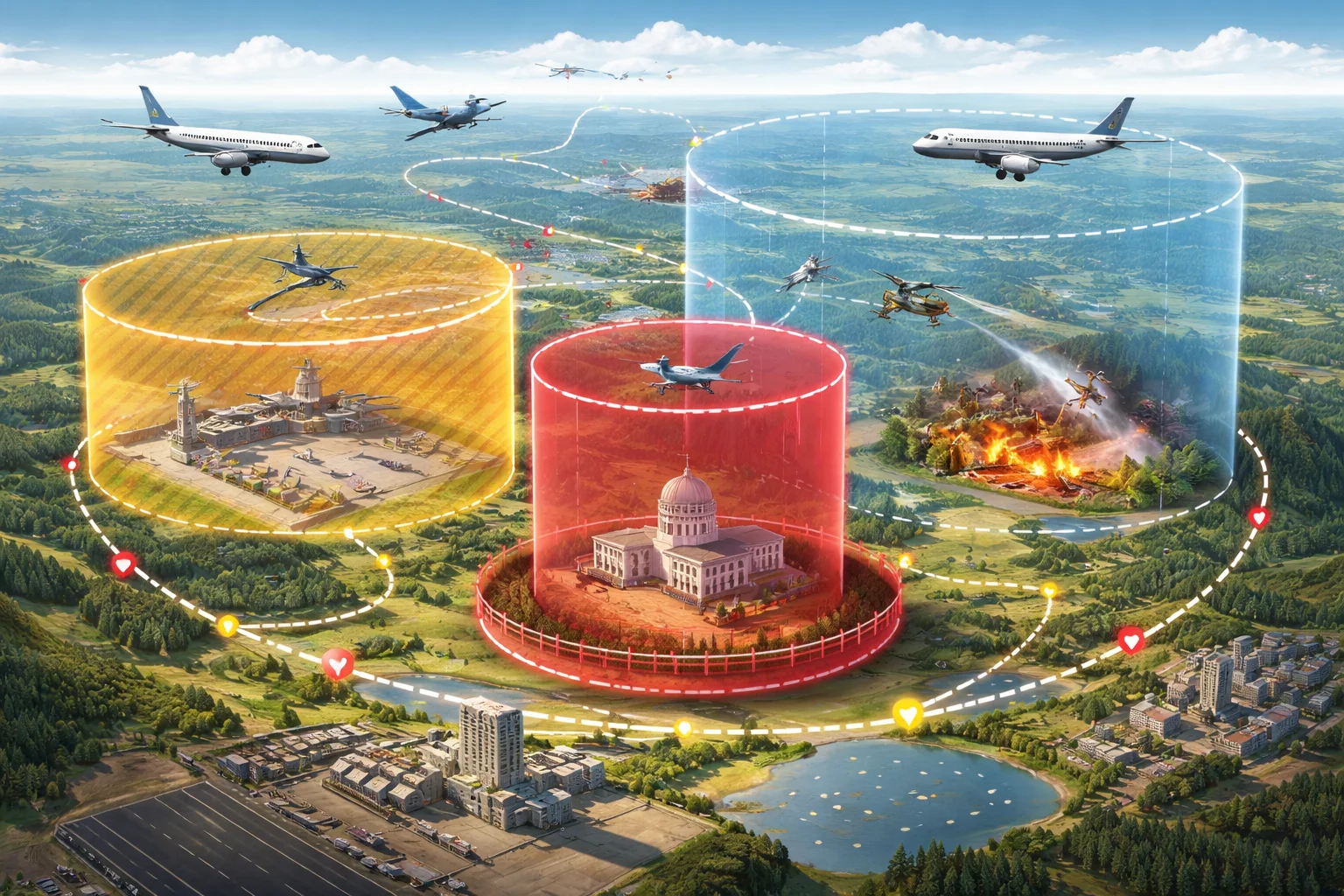
Airspace refers to the portion of the atmosphere that is regulated for aviation use. It is divided into different categories based on factors such as altitude, traffic density, and the type of operations allowed.
Some airspace is tightly controlled due to high traffic levels, while other areas allow more flexibility. Monitoring ensures that aircraft operate within the rules of the airspace they are using and transition safely between different zones.
Monitoring versus control
Airspace monitoring is often confused with air traffic control, but they are not the same thing.
Monitoring focuses on awareness: tracking aircraft positions, speeds, headings, and altitudes. Control involves issuing instructions based on that information. Monitoring provides the foundation that makes safe control possible.
How Airspace Monitoring Works in Practice
Airspace monitoring relies on layered systems rather than a single method. This redundancy ensures reliability even if one component becomes unavailable.
Surveillance systems and data sources
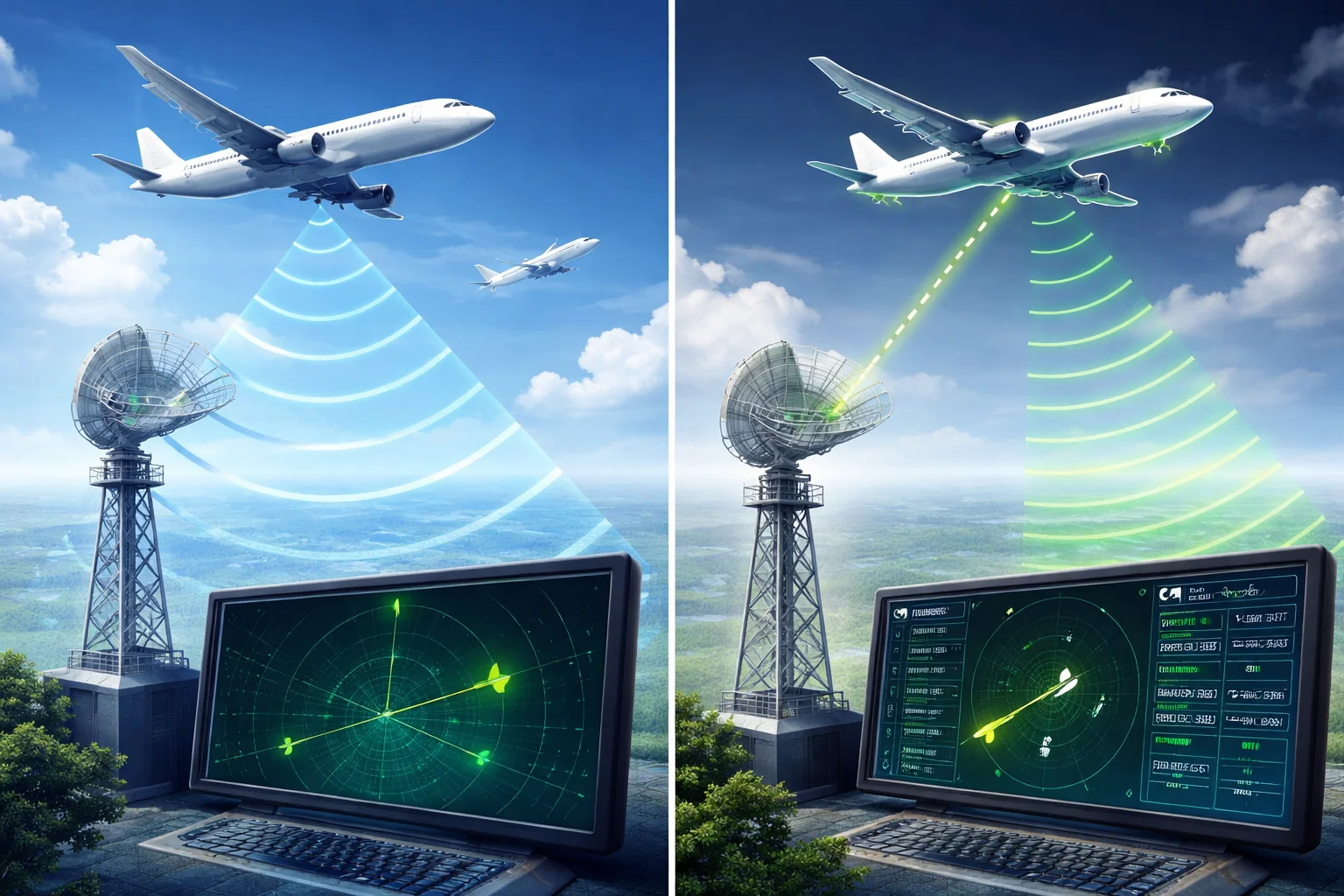
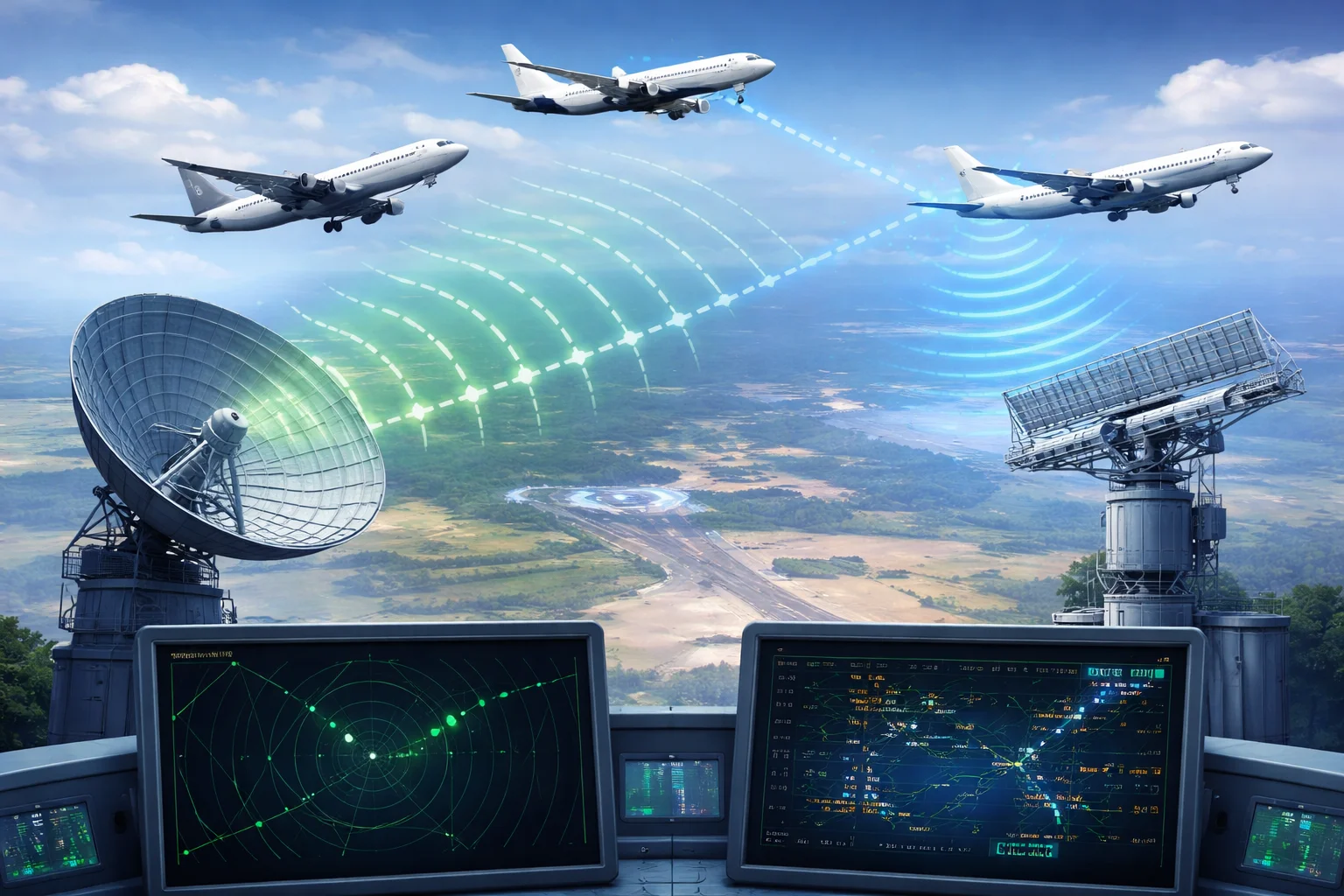
Aircraft positions are determined through multiple surveillance methods. Some systems detect aircraft externally, while others rely on information transmitted directly from the aircraft itself.
These data sources are combined to create an accurate, real-time picture of the sky. The emphasis is not just on knowing where an aircraft is, but on understanding its movement and intent.
The role of trained professionals
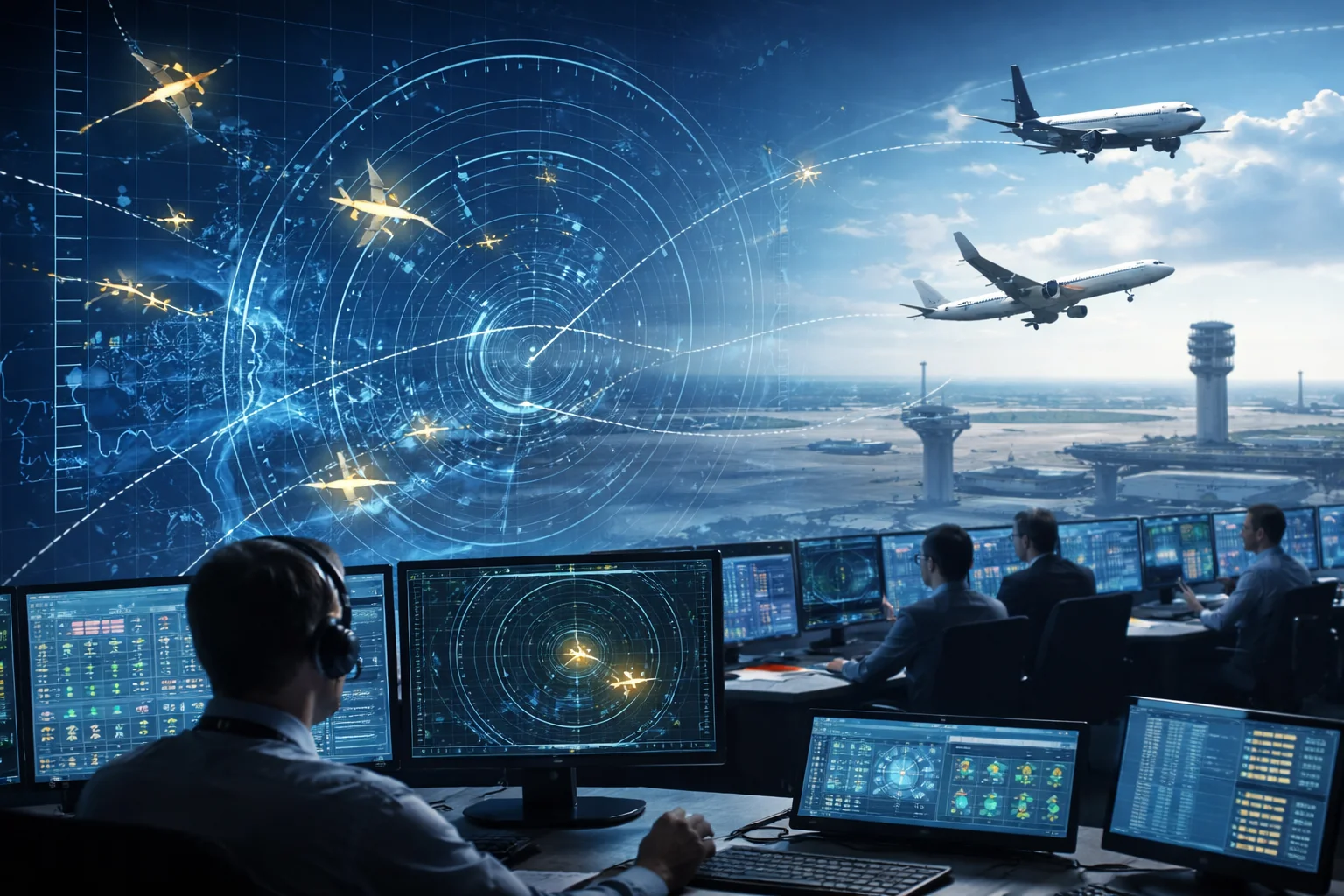
Technology alone does not keep aircraft safe. Skilled aviation professionals continuously interpret monitoring data, identify potential conflicts, and coordinate responses.
Their expertise allows them to anticipate issues before they develop into safety risks, adjusting routes, altitudes, or timing as needed.
Communication as part of monitoring
Monitoring is closely tied to communication. Aircraft crews receive updates, instructions, and confirmations that align their actions with the broader traffic picture.
Clear communication ensures that what is seen on monitoring systems matches what is happening in the cockpit.
Why Airspace Monitoring Is Essential for Aviation Safety
The importance of airspace monitoring becomes clearer when considering what could happen without it. Aviation safety depends on predictability, separation, and situational awareness.
Preventing mid-air conflicts
One of the most critical functions of airspace monitoring is preventing aircraft from coming too close to one another. By continuously tracking position and altitude, potential conflicts can be identified well in advance.
This allows for smooth, measured adjustments rather than last-second corrections.
Supporting safe takeoffs and landings
The most complex phases of flight occur near airports, where many aircraft operate in a limited space. Monitoring helps manage sequencing, spacing, and runway usage so that departures and arrivals do not interfere with each other.
This coordination reduces congestion and minimizes risk during these high-workload moments.
Managing unexpected situations
Weather changes, mechanical issues, or medical emergencies can disrupt planned routes. Airspace monitoring allows aviation professionals to quickly assess the surrounding traffic and create safe alternatives.
Without accurate monitoring, rerouting an aircraft would involve significantly higher risk.
Different Types of Airspace Monitoring Environments
Not all airspace presents the same challenges. Monitoring strategies adapt based on traffic density, geography, and operational complexity.
High-density airspace
Busy airspace near major hubs requires constant, detailed monitoring. Aircraft are often stacked vertically and sequenced closely in time, leaving little margin for error.
In these environments, monitoring focuses on precision and rapid response.
Remote and low-traffic regions
In areas with fewer flights, monitoring still plays a vital role, but with different priorities. Long-distance flights rely on consistent position reporting and coordination across wide areas.
Even with lower traffic levels, maintaining awareness prevents isolation from becoming a safety issue.
Common Misconceptions About Airspace Monitoring
Despite its importance, airspace monitoring is often misunderstood.
“Pilots can see and avoid everything”
While pilots have visual awareness, they cannot see all aircraft, especially at high altitudes or in poor visibility. Monitoring systems provide a broader, more reliable picture than human vision alone.
“Automation replaces human judgment”
Automation supports monitoring, but it does not replace human decision-making. Trained professionals interpret data, manage priorities, and apply judgment in complex situations.
The balance between technology and human expertise is what makes the system resilient.
How Airspace Monitoring Evolves Without Losing Stability
Aviation systems are designed to improve over time without sacrificing reliability. Changes are introduced carefully, tested extensively, and integrated gradually.
Emphasis on standardization
Global aviation relies on shared standards so that aircraft and monitoring systems can interact seamlessly across regions. This consistency allows pilots and controllers to operate safely regardless of location.
Focus on reliability over novelty
In aviation, proven performance matters more than rapid change. Monitoring systems prioritize accuracy, redundancy, and predictability rather than experimental features.
This approach ensures that improvements enhance safety rather than introduce uncertainty.
Frequently Asked Questions About Airspace Monitoring
Is airspace monitoring active at all times?
Yes. Monitoring operates continuously to maintain awareness of aircraft movement, even when traffic levels are low.
Does airspace monitoring affect flight delays?
Indirectly, yes. Monitoring helps manage traffic flow efficiently, which can reduce unnecessary delays while maintaining safety margins.
Can airspace monitoring prevent all accidents?
No system can eliminate all risk. However, airspace monitoring significantly reduces the likelihood of collisions and coordination-related incidents by providing early awareness and structured responses.
Conclusion
Airspace monitoring is one of the quiet foundations of aviation safety. It does not draw attention to itself, yet every safe flight depends on it. By continuously tracking aircraft, supporting informed decision-making, and enabling clear communication, it creates order in an environment that would otherwise be chaotic.
Understanding airspace monitoring helps explain why aviation remains one of the safest forms of transportation. Its strength lies not in dramatic interventions, but in consistent, reliable oversight that works every moment an aircraft is in the sky.

Related Posts