Most travelers see an airline ticket as a single price that gets them from one city to another. What’s less obvious is how much complexity sits behind that number. Airlines are not just selling seats on airplanes—they are managing a layered business built on pricing strategy, operational efficiency, and multiple streams of income that work together over time.
This article breaks down how airlines make money in a clear, beginner-friendly way. You’ll learn where airline revenue actually comes from, why ticket prices fluctuate, and how everyday traveler choices affect airline profitability. No industry jargon, no time-sensitive claims—just a practical explanation of how the system works.
The Core Business of Airlines
At its foundation, the airline business revolves around moving people and goods safely and efficiently. Everything else exists to support that goal while keeping the operation financially sustainable.
Selling Seats Is the Starting Point, Not the Whole Picture
Passenger tickets are the most visible source of revenue, but they are not the only one—and often not the most profitable on their own. Airlines price seats carefully to balance demand, operating costs, and capacity.
A single flight may carry passengers who paid very different prices for the same seat type. This isn’t random. It reflects how airlines segment customers based on flexibility, timing, and willingness to pay.
Airlines Operate on Thin Margins
A common misconception is that airlines make large profits on every ticket. In reality, operating an airline is expensive. Fuel, aircraft maintenance, staff, airport fees, and regulatory compliance all add up quickly.
Because margins are slim, airlines rely on multiple revenue sources working together rather than depending solely on ticket sales.
Passenger Ticket Revenue Explained
Ticket revenue remains the backbone of airline income, but how it is structured matters just as much as how much is charged.
Why Ticket Prices Vary So Widely
Airline pricing is dynamic by design. Seats are sold at different prices based on factors such as:
- How far in advance the ticket is purchased
- Whether the traveler needs flexibility
- Expected demand for the route
- Time and day of travel
This system allows airlines to fill as many seats as possible while maximizing total revenue per flight.
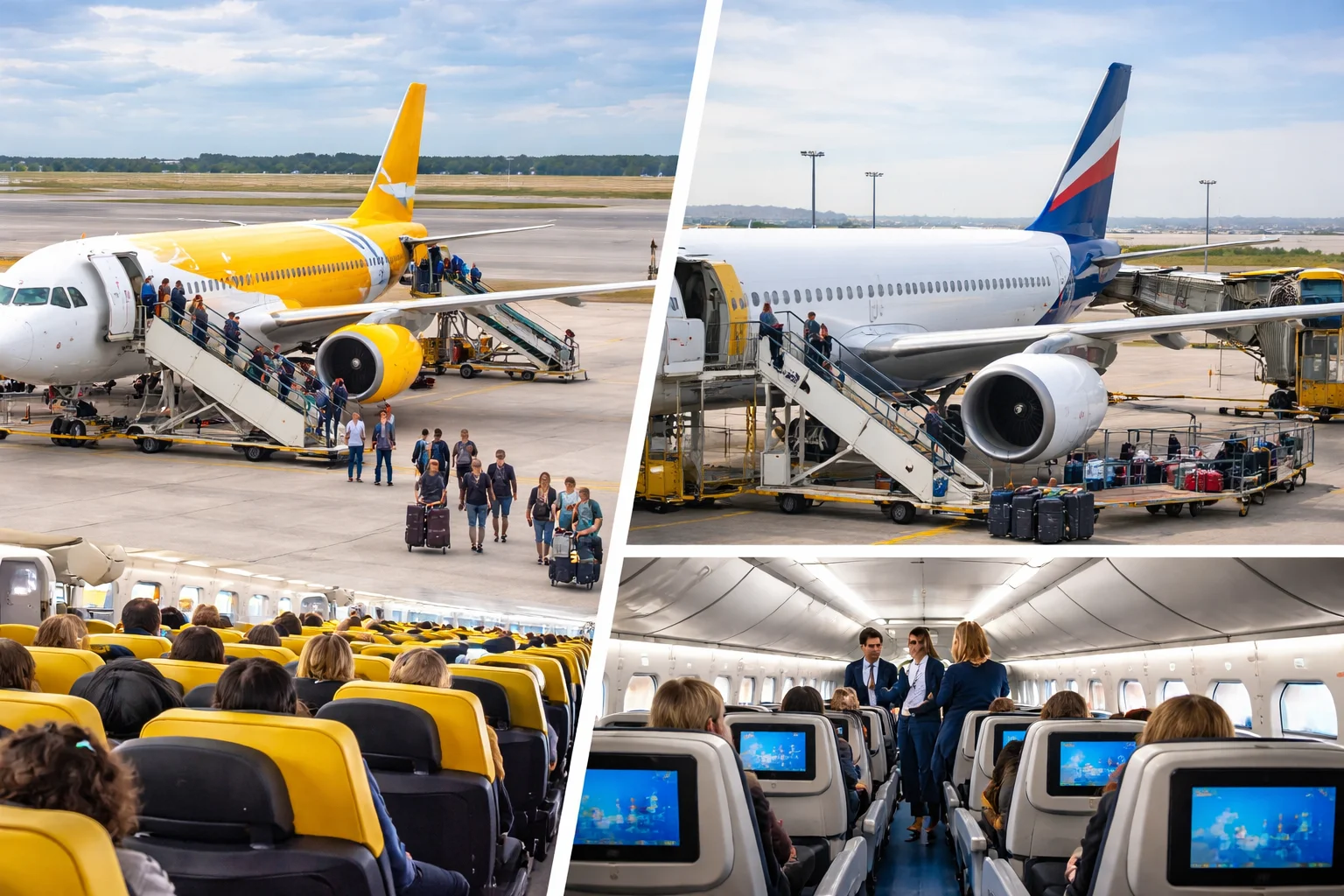
Economy, Premium, and Business Classes
Airplanes are divided into cabin classes for a reason. Premium cabins generate significantly more revenue per seat, even though they take up more space.
Economy class provides volume. Premium and business classes provide margin. Together, they balance the financial model of most airlines.
Ancillary Revenue: The Hidden Profit Engine
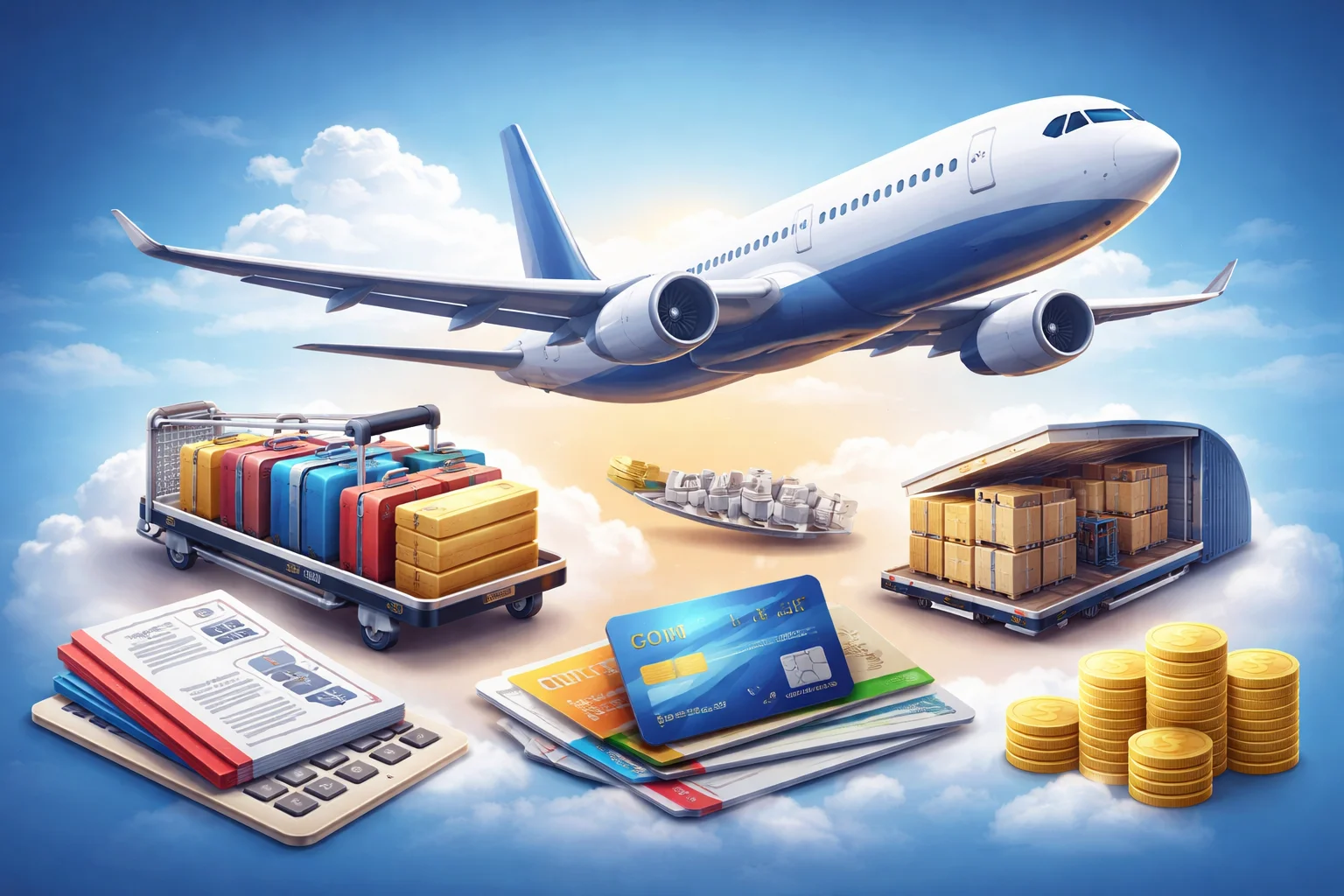
Over time, airlines have expanded revenue beyond the base ticket price. These additional charges are often called ancillary revenue, and they play a major role in profitability.
Baggage Fees and Seat Selection
Charging separately for checked bags, extra legroom, or preferred seating allows airlines to keep base fares lower while letting travelers customize their experience.
From a business perspective, this approach:
- Increases total revenue per passenger
- Aligns pricing with individual preferences
- Reduces the need to raise base ticket prices
In-Flight Purchases and Services
Food, drinks, Wi-Fi, entertainment access, and onboard retail all contribute incremental income. While each purchase may seem small, the combined effect across thousands of flights is significant.
These services are especially effective because they generate revenue after the ticket has already been sold.
Cargo and Freight Operations
Passengers aren’t the only source of income for airlines. Cargo plays a crucial supporting role.
Using Belly Space Efficiently
Most passenger aircraft carry cargo in the space beneath the cabin. This allows airlines to earn additional revenue without adding extra flights.
Cargo revenue helps offset operating costs, especially on long-haul routes where demand for freight is consistent.
Dedicated Cargo Flights
Some airlines operate aircraft designed specifically for freight. These operations follow different pricing and scheduling models but benefit from the same logistical expertise used in passenger services.
Loyalty Programs and Financial Partnerships
Frequent flyer programs are often misunderstood as simple rewards systems. In reality, they are powerful financial tools.
How Loyalty Points Generate Revenue
Airlines sell loyalty points to banks, credit card companies, and partners. These partners use the points as incentives for their own customers.
This creates a steady income stream that is not directly tied to flight operations, helping airlines stabilize revenue during demand fluctuations.
Long-Term Customer Value
Loyalty programs encourage repeat business, but their real strength lies in predictability. Airlines can forecast engagement and revenue more reliably when customers remain within their ecosystem.
Corporate and Contract Travel
Not all passengers buy tickets the same way.
Business Travel Agreements
Many airlines negotiate contracts with corporations, governments, and institutions. These agreements provide consistent volume in exchange for negotiated pricing and flexibility.
While individual ticket prices may be lower, the reliability of demand makes these arrangements valuable.
Charter and Special Operations
Charter flights, seasonal services, and special transport contracts allow airlines to monetize aircraft in ways that standard scheduling cannot. These operations are often tailored to specific needs and priced accordingly.
Cost Control as a Revenue Strategy
Making money isn’t only about earning more—it’s also about managing expenses intelligently.
Fleet Standardization
Operating fewer aircraft types simplifies training, maintenance, and spare parts management. This reduces long-term costs and improves operational efficiency.
Route Optimization
Airlines continuously analyze routes to determine where aircraft can be deployed most effectively. Profitable routes support less profitable ones, creating a balanced network rather than isolated operations.
Common Misconceptions About Airline Profits
Understanding how airlines make money also means clearing up a few myths.
“Cheap Tickets Mean the Airline Is Losing Money”
Low fares don’t automatically mean losses. Airlines often price tickets strategically to fill seats, knowing that additional revenue will come from other sources.
“Fees Are Just Extra Profit”
While ancillary fees do generate revenue, they also help cover real costs associated with handling baggage, providing space, and offering optional services.
Why This Model Works Over Time
The airline revenue model is designed to adapt without constant reinvention. By combining ticket sales, ancillary income, cargo, and partnerships, airlines create a system that can respond to changes in demand while remaining operationally stable.
This layered approach explains why airlines can continue operating even when one revenue stream becomes less reliable.
Frequently Asked Questions
Do airlines make most of their money from ticket sales?
Ticket sales form the foundation of airline revenue, but additional income from services, cargo, and partnerships often plays a crucial role in overall profitability.
Why do airlines charge separately for bags and seats?
Separating services allows airlines to keep base fares competitive while giving travelers control over what they pay for. This pricing structure aligns costs with individual choices.
Are loyalty programs actually profitable for airlines?
Yes. Loyalty programs generate revenue through partnerships and create long-term customer value that extends beyond individual flights.
Final Thoughts
Airlines are complex businesses operating in a demanding environment. They don’t rely on a single source of income but instead build revenue through a carefully balanced system of pricing, services, logistics, and partnerships.
Understanding how airlines make money helps explain everything from ticket prices to optional fees. More importantly, it reveals why the airline industry focuses on flexibility, efficiency, and diversified income streams rather than simple one-price models.
When viewed this way, airline pricing becomes less mysterious and more like what it truly is: a structured system designed to keep planes flying and businesses sustainable over the long term.

Related Posts