Introduction
Many people assume that air traffic control relies on a single screen that magically shows every aircraft in the sky. In reality, controllers build their picture of the airspace by combining multiple sources of information, each with its own strengths and limits. One common source is radar, which has guided aviation safely for decades. Another is open flight data, which comes from aircraft broadcasts and shared data networks.
This article explains how air traffic control uses radar and open data together to maintain safety, accuracy, and efficiency. You’ll learn how each system works on its own, why neither is sufficient by itself, and how their combination creates a reliable, long-term foundation for managing air traffic.
What role radar plays in air traffic control
How traditional radar detects aircraft
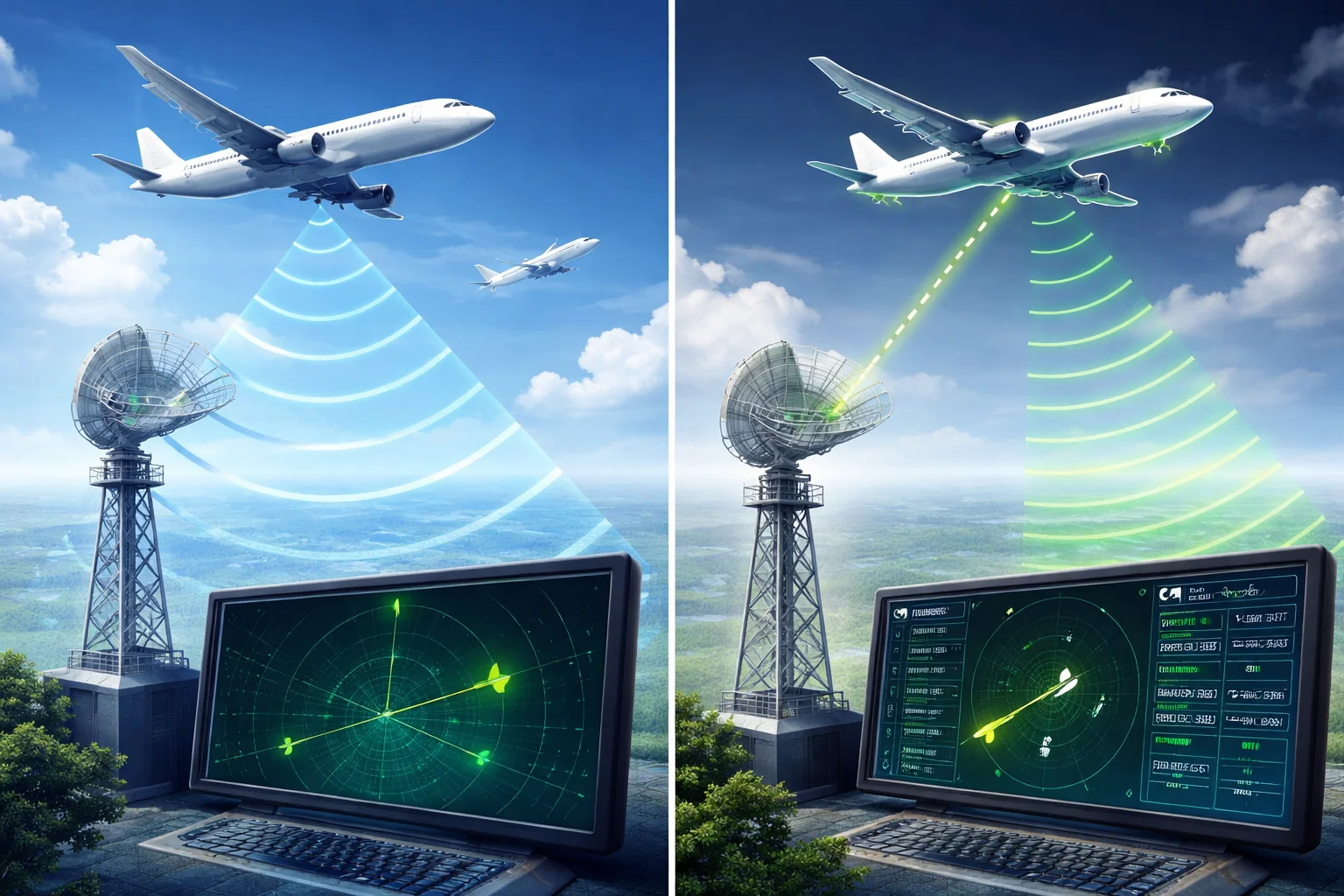
Radar works by sending out radio waves and listening for echoes that bounce back from objects in the sky. When an aircraft reflects those waves, the radar system calculates its position based on how long the signal took to return. This method allows controllers to see where an aircraft is, even if the aircraft itself is not actively transmitting detailed information.
See also Primary Radar vs Secondary Radar: A Complete Aviation Guide
Primary radar detects physical objects directly, while secondary radar relies on aircraft transponders to provide additional details such as identity and altitude. Together, these systems form the backbone of controlled airspace monitoring.
Why radar remains essential
Radar is valued for its independence. It does not rely on external data networks or public infrastructure. As long as the radar installation is operating, it can detect aircraft within its range. This makes radar especially important in controlled airspace, during poor visibility, or when aircraft systems are limited or malfunctioning.
Because of this reliability, radar continues to serve as a trusted reference point for air traffic control worldwide.
What open flight data adds to the picture
How aircraft broadcast their own information
Many modern aircraft transmit their position, altitude, speed, and identification using onboard systems. These broadcasts are received by ground stations and shared through open data networks. One widely known example of such a network is OpenSky Network, which collects aircraft broadcast data and makes it accessible for research, monitoring, and analysis.
This type of data is often more detailed and frequent than radar updates, offering a near-continuous stream of information about an aircraft’s movement.
Why open data is valuable beyond control towers
Open flight data supports more than just air traffic control. It is used for airspace analysis, safety studies, training, and system validation. Because the data comes directly from aircraft, it can provide insights into flight behavior, routing patterns, and altitude changes that are difficult to infer from radar alone.
While air traffic controllers operate within secured systems, the principles behind open data still influence how aviation professionals understand and model air traffic flows.
How radar and open data complement each other
Cross-checking accuracy and consistency
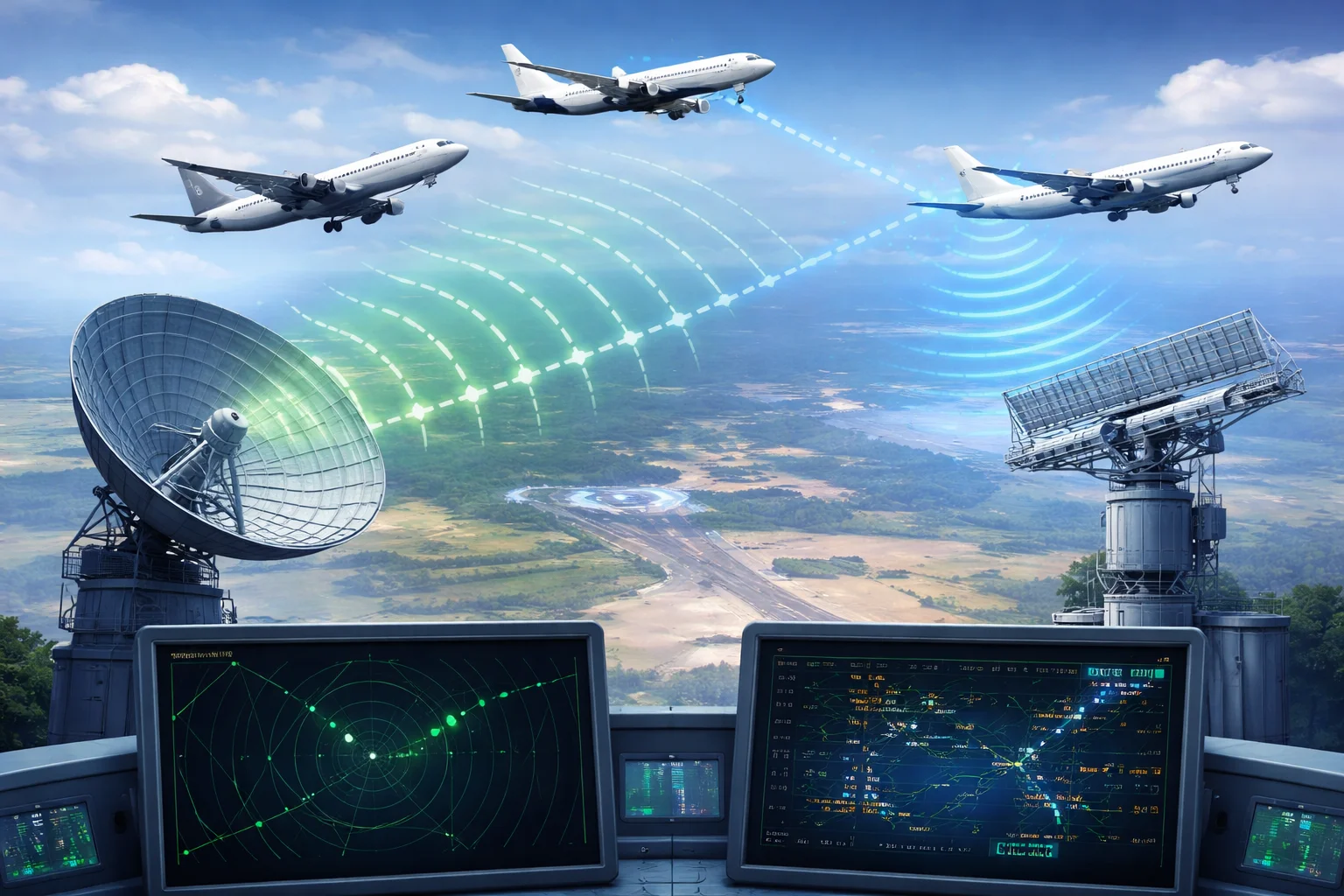
Radar and open data serve as independent sources. When both show the same position and movement, confidence in the information increases. If there is a discrepancy, controllers and systems can investigate whether the issue lies with a transponder, a receiver, or environmental interference.
This cross-checking improves situational awareness and reduces the risk of relying on a single data stream.
Filling gaps in coverage
Radar coverage is limited by geography, range, and installation location. Open data networks, on the other hand, can extend coverage through distributed receivers placed across wide areas. In regions where radar coverage is sparse or constrained, broadcast-based data helps fill in the picture.
Conversely, radar remains crucial in areas where broadcast reception is weak or inconsistent. Together, the two systems provide more complete airspace visibility.
Supporting layered safety systems
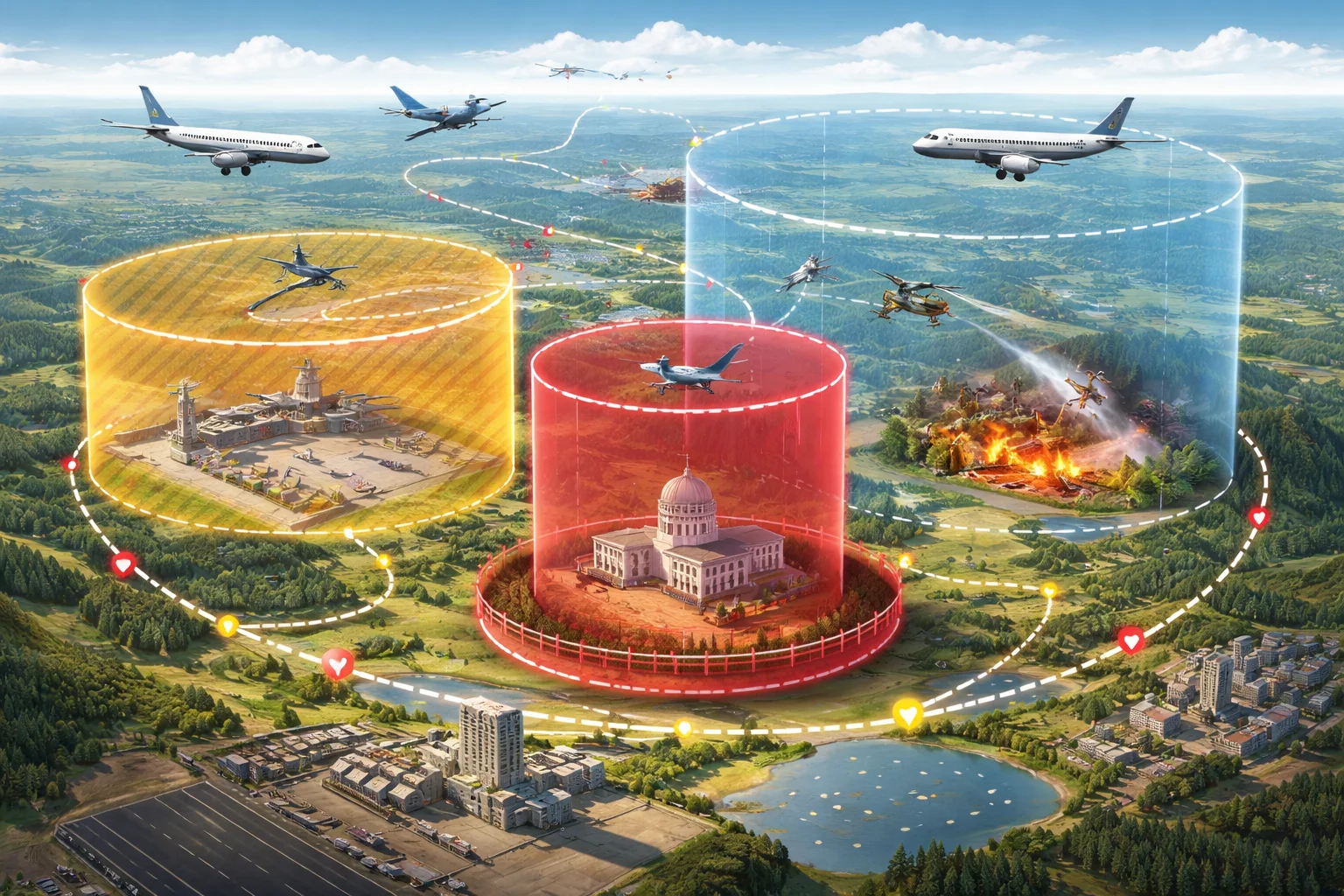
Aviation safety relies on redundancy. By combining radar with aircraft-broadcast data, air traffic control benefits from layered monitoring. If one system degrades, the other continues to provide usable information. This layered approach aligns with long-standing aviation principles that prioritize resilience and fault tolerance.
Common misconceptions about radar and open data
“Open data replaces radar”
A frequent misunderstanding is that open flight data can fully replace radar. In practice, radar is still essential for controlled airspace and regulatory oversight. Open data enhances awareness but does not eliminate the need for independent detection systems.
“Radar always provides more accurate data”
Radar is reliable, but it does not always deliver the same level of detail as aircraft broadcasts. Open data can offer higher update rates and richer flight parameters. Accuracy improves most when both systems are used together.
How this combination shapes modern airspace management
Improving traffic flow understanding
By merging radar tracks with broadcast data, air traffic systems gain a clearer view of how aircraft move through airspace. This understanding supports better spacing, smoother handoffs between control sectors, and more predictable operations.
Enabling long-term analysis and planning
Combined data sources help aviation authorities study airspace usage over time. Patterns in congestion, altitude distribution, and routing become easier to identify, leading to more informed decisions about airspace design and procedures.
Frequently asked questions
Is open flight data used directly by air traffic controllers?
Controllers work with certified, secure systems. While they may not view public data feeds directly, the same broadcast principles behind open data influence many professional monitoring tools and validation processes.
What happens if an aircraft stops broadcasting data?
If an aircraft’s broadcast system fails or is turned off, radar can still detect the aircraft within its coverage area. This is one reason radar remains a core component of air traffic control.
Why does aviation rely on multiple tracking methods?
Using multiple methods increases safety and reliability. Each system has limitations, but together they provide a more accurate and resilient picture of the airspace.
Conclusion
Air traffic control does not depend on a single technology to keep aircraft safely separated. Radar provides dependable, independent detection, while open flight data offers detailed, frequent insights into aircraft behavior. When used together, these systems reinforce each other, reduce uncertainty, and support a stable approach to managing complex airspace.
By understanding how radar and open data work side by side, it becomes clear why aviation continues to rely on layered systems that prioritize clarity, consistency, and long-term reliability.

Related Posts