Flying is often described as one of the safest ways to travel, yet plane accidents—rare as they are—tend to raise deep concerns and questions. Many people wonder why accidents happen at all in such a highly regulated industry and, more importantly, how they are prevented. The answers are not found in single dramatic failures, but in systems, procedures, and layers of safeguards that work together every day.
This article explains the most common underlying causes of plane accidents and, just as crucially, how modern aviation is designed to prevent them. The goal is not to alarm, but to clarify how aviation safety actually works—beyond headlines and misconceptions.
How Plane Accidents Are Typically Classified
Plane accidents are rarely the result of one isolated mistake. Instead, investigators look at patterns that fall into a few broad categories.
Accidents Are Usually the Result of Multiple Factors
A common misunderstanding is that accidents happen because “something went wrong.” In reality, aviation incidents usually involve a chain of small issues—technical, human, environmental, or procedural—that align in an unusual way. Modern safety systems are built specifically to break this chain before it leads to harm.
Why Understanding Causes Helps Improve Safety
Every identified cause leads to improvements. Aviation safety evolves by studying how systems interact, where assumptions fail, and how defenses can be strengthened. Prevention is not about eliminating risk entirely, but about managing it intelligently and consistently.
Human Error and How It Is Reduced
Human performance plays a role in aviation, but it is often misunderstood.
What “Human Error” Really Means
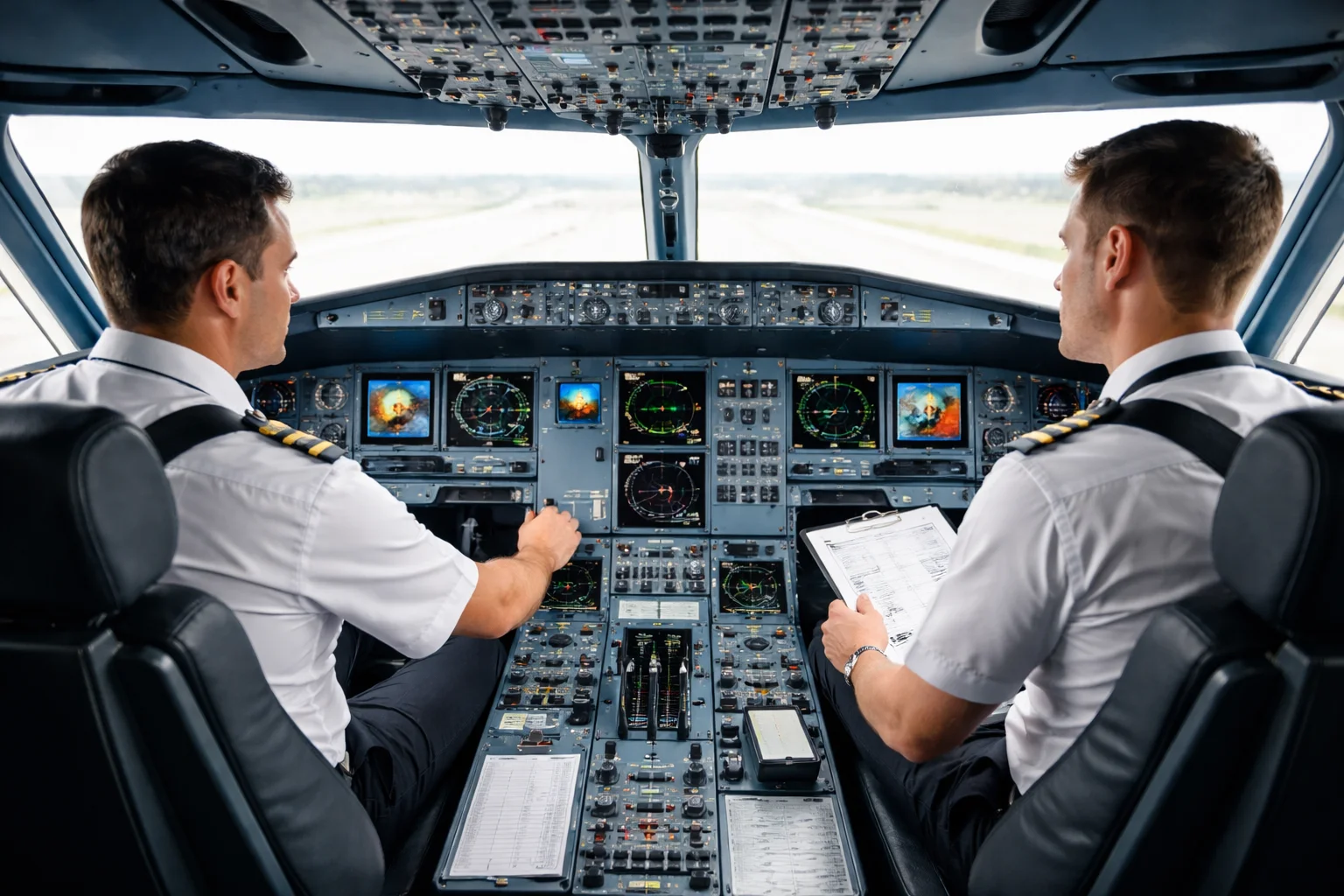
Human error does not usually mean carelessness or lack of skill. It often involves fatigue, miscommunication, misinterpretation of data, or decision-making under pressure. Even highly trained professionals can be affected by these factors.
Training, Procedures, and Crew Coordination
To reduce human error, aviation relies on:
- Standardized procedures that reduce ambiguity
- Recurrent training that reinforces decision-making skills
- Crew coordination practices that encourage cross-checking and shared responsibility
Pilots are trained not just to fly aircraft, but to manage workload, recognize limitations, and challenge assumptions when something does not look right.
Mechanical Failures and Engineering Safeguards
Aircraft are complex machines, but complexity does not mean fragility.
Why Mechanical Failures Are Rare
Modern aircraft are designed with redundancy. Critical systems—such as navigation, hydraulics, and flight controls—are duplicated or triplicated so that a single failure does not compromise safety.
Maintenance, Inspections, and Design Standards
Prevention relies heavily on:
- Scheduled inspections based on flight hours and cycles
- Predictive maintenance that identifies wear before failure
- Conservative design standards that exceed normal operating demands
Mechanical issues are often detected long before they become serious, precisely because aircraft are monitored so closely.
Weather-Related Risks and Operational Planning
Weather is a powerful force, but it is also a well-understood one.
How Weather Can Contribute to Accidents
Severe turbulence, icing, wind shear, and reduced visibility can challenge flight operations. Weather itself is not the danger; the risk arises when conditions exceed safe limits or change faster than expected.
Forecasting, Avoidance, and Decision-Making
Aviation manages weather risk through:
- Advanced forecasting and real-time updates
- Conservative operating thresholds
- The authority for pilots to delay, divert, or cancel flights
Avoiding unsafe weather is considered a normal, responsible decision—not a failure.
Air Traffic Control and System Coordination
Safe flight depends on more than the aircraft alone.
The Role of Air Traffic Control
Air traffic control manages spacing, routing, and sequencing of aircraft to prevent conflicts. This coordination reduces workload for pilots and creates predictable, orderly traffic flows.
Built-In Safety Margins
Systems are designed with buffers—extra distance, time, and altitude separation—to allow for unexpected changes without immediate risk. These margins are a core part of accident prevention.
Design Philosophy and Safety Culture
Beyond technology, aviation safety is shaped by mindset.
Designing for the Unexpected
Aircraft and procedures are designed with the assumption that things can go wrong. Checklists, warnings, and automated protections exist not because pilots are expected to fail, but because systems are stronger when they anticipate human limitations.
Reporting, Learning, and Continuous Improvement
A strong safety culture encourages reporting of errors, near-misses, and unusual events without blame. This openness allows the industry to learn continuously and strengthen defenses before accidents occur.
Common Misconceptions About Plane Accidents
Understanding what doesn’t cause accidents is just as important.
“Automation Causes Accidents”
Automation can introduce new challenges, but it also reduces workload and improves consistency. Most issues arise not from automation itself, but from misunderstandings about how to manage it effectively.
“Older Aircraft Are Less Safe”
Age alone does not determine safety. Aircraft that are properly maintained and operated within design limits can remain safe for decades. Maintenance quality matters far more than calendar age.
Frequently Asked Questions
Are plane accidents usually caused by a single mistake?
No. Most accidents involve a combination of factors that interact over time. Safety systems are designed to catch and correct individual issues before they escalate.
How do investigators determine what went wrong?
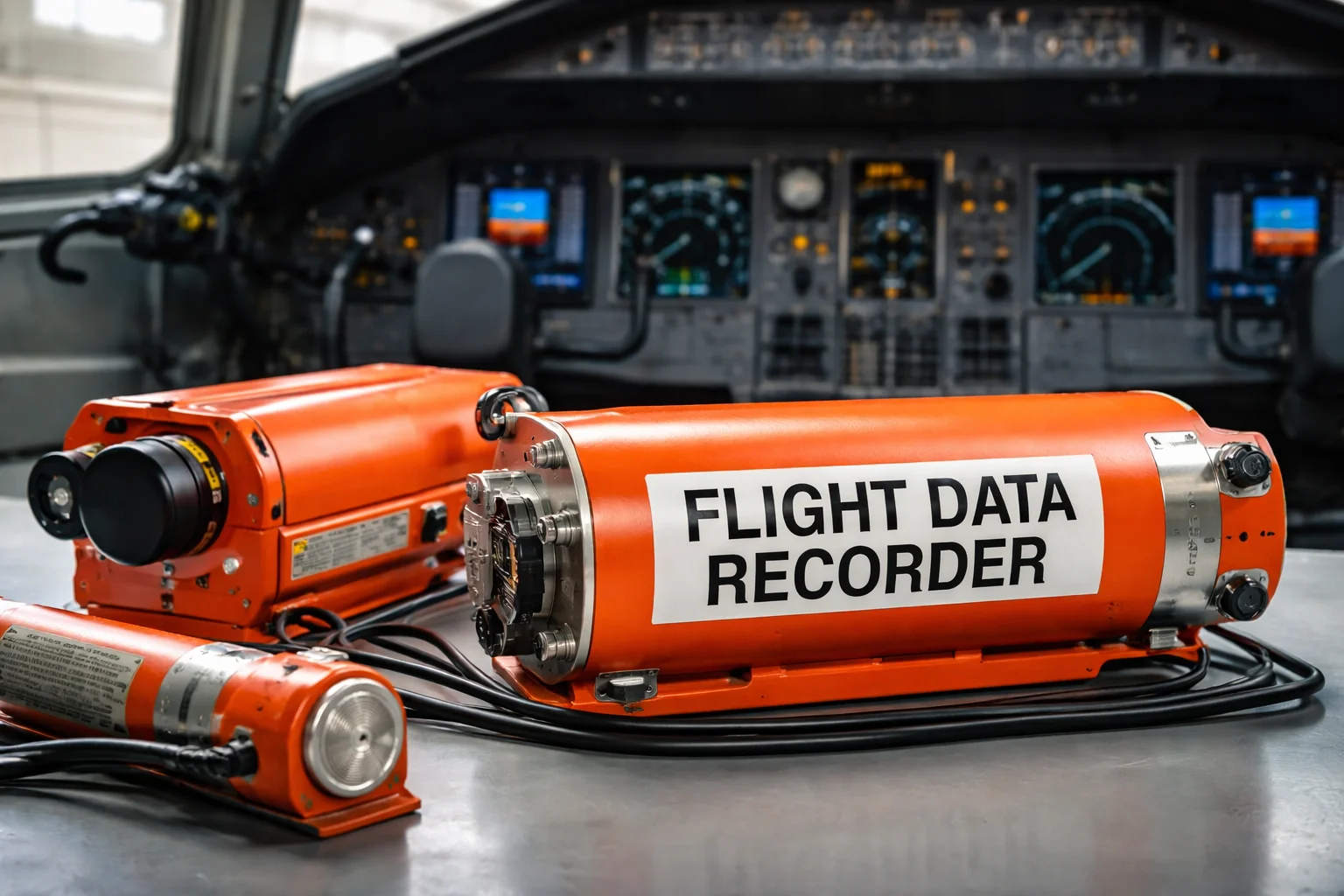
Investigators analyze flight data, cockpit recordings, maintenance history, and operational procedures to understand how systems and decisions interacted. The focus is on learning, not assigning blame.
Can passengers do anything to improve safety?
Passengers contribute by following instructions, remaining attentive during safety briefings, and avoiding behaviors that interfere with crew duties. Safety is a shared responsibility, even if most of it happens behind the scenes.
Conclusion
Plane accidents are rare not because aviation is risk-free, but because risk is managed with exceptional care. Human factors, mechanical systems, weather, and coordination all play roles, yet each is supported by layers of prevention designed to catch problems early.
By understanding how accidents generally happen—and how they are systematically prevented—it becomes clear why aviation safety has earned long-term trust. The strength of modern aviation lies not in perfection, but in preparation, learning, and the constant reinforcement of systems that prioritize safety above all else.

Related Posts