For many people, aviation feels confusing from the outside. Flights seem to change, routes feel unpredictable, airport experiences differ from one place to another, and headlines often suggest constant disruption. It can be hard to tell what is actually changing in aviation—and what has always been part of how the system works.
This article is not about daily headlines or short-term developments. Instead, it explains how airlines, airports, and airspace function as interconnected systems, how they adapt over time, and why those changes matter to passengers, operators, and the global travel network. By understanding the fundamentals, the industry’s evolution becomes clearer, more predictable, and far less mysterious.
See also Understanding Global Aviation Developments Through Reliable News Analysis
How Airlines Adapt to a Changing Aviation Environment
Airlines operate within a complex balance of safety rules, economics, passenger demand, and operational limits. While the surface details may shift, the underlying mechanisms remain consistent.
Why Airline Operations Are Constantly Adjusted
Airlines do not operate static schedules or fixed strategies. Routes, aircraft usage, and onboard services are adjusted based on factors such as fuel efficiency, aircraft availability, regulatory requirements, and passenger travel patterns. These adjustments are part of normal airline management rather than signs of instability.
For example, airlines routinely refine flight times or aircraft assignments to improve efficiency. From a passenger perspective, this can look like frequent change, but from an operational standpoint, it is a sign of a system responding to real-world conditions.
The Role of Safety and Regulation in Airline Change
Safety standards shape every airline decision. Aircraft maintenance schedules, crew training, and operational procedures are governed by strict international frameworks. When airlines modify processes, those changes almost always reflect updates in safety practices, improved technology, or clearer regulatory guidance.
This is why airline change tends to be gradual and structured rather than sudden or experimental. The goal is consistency, not novelty.
How Passenger Expectations Influence Airline Models
Over time, passenger behavior has influenced how airlines structure services. Some travelers prioritize flexibility, while others focus on affordability or simplicity. Airlines respond by offering different service tiers, boarding procedures, and fare structures.
These models are not trends in the news-driven sense. They are long-term adaptations to how people actually use air travel.
How Airports Are Evolving Beyond Transit Hubs
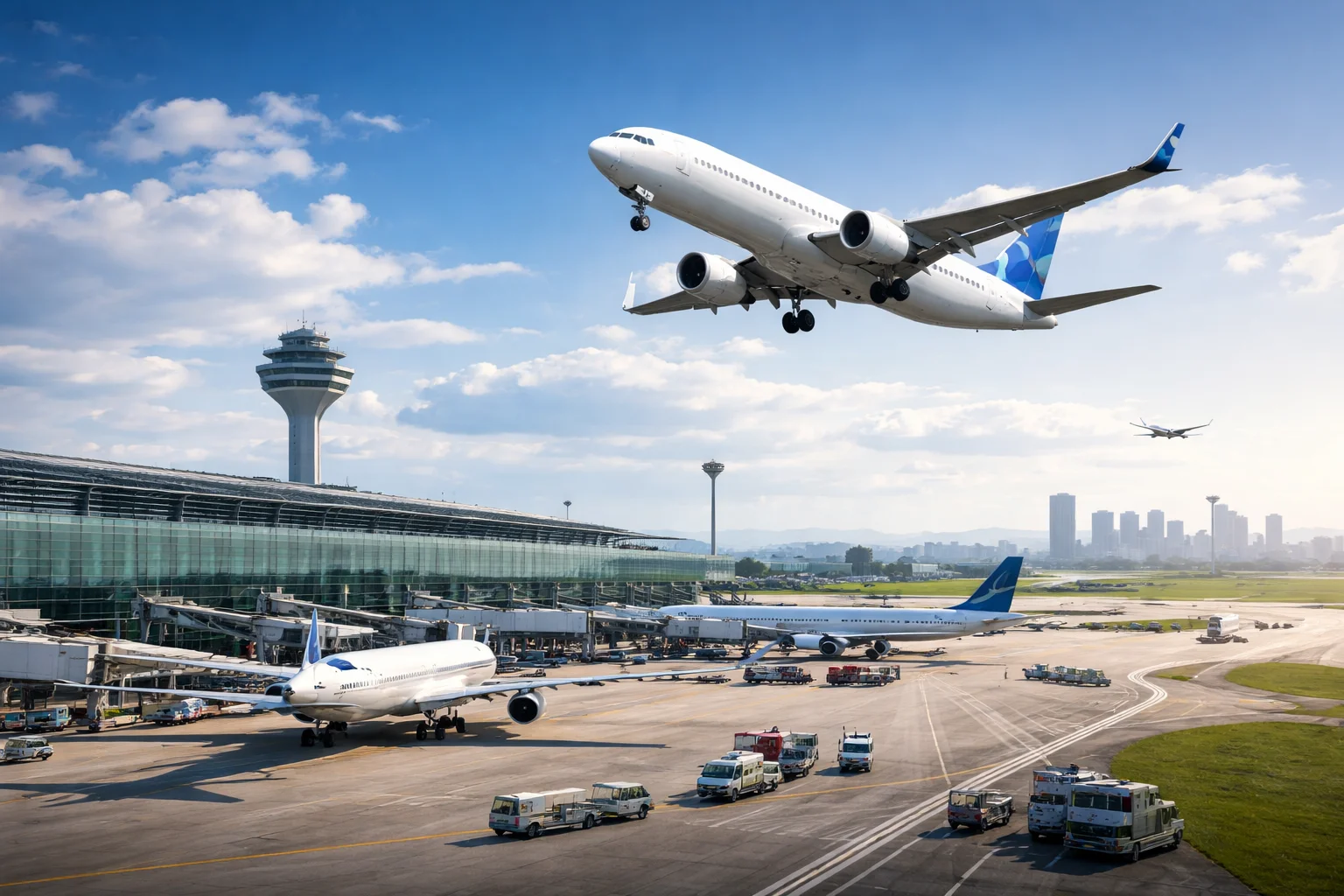
Airports are often viewed as static infrastructure, but they are among the most adaptable parts of the aviation ecosystem. Their role has expanded well beyond facilitating takeoffs and landings.
Why Airport Design Keeps Changing
Airport layouts evolve to handle larger passenger volumes, diverse security requirements, and more complex aircraft movements. Improvements in terminal design, passenger flow, and gate management are driven by the need to reduce congestion while maintaining safety and efficiency.
These changes are often invisible when they work well, which is why they can feel sudden when they don’t.
The Growing Focus on Passenger Flow and Experience
Modern airport operations focus heavily on movement rather than amenities alone. Efficient check-in processes, security screening design, and boarding coordination matter more than decorative upgrades.
When airports adjust procedures, it is usually to remove friction points that slow travelers down rather than to introduce novelty.
Airports as Part of a Larger Transportation Network
Airports are no longer isolated locations. They are integrated with ground transportation, logistics networks, and regional planning. Changes in airport operations often reflect broader coordination with rail systems, highways, and cargo infrastructure.
Understanding airports as nodes in a network helps explain why adjustments can affect entire regions, not just individual terminals.
How Airspace Management Shapes Every Flight
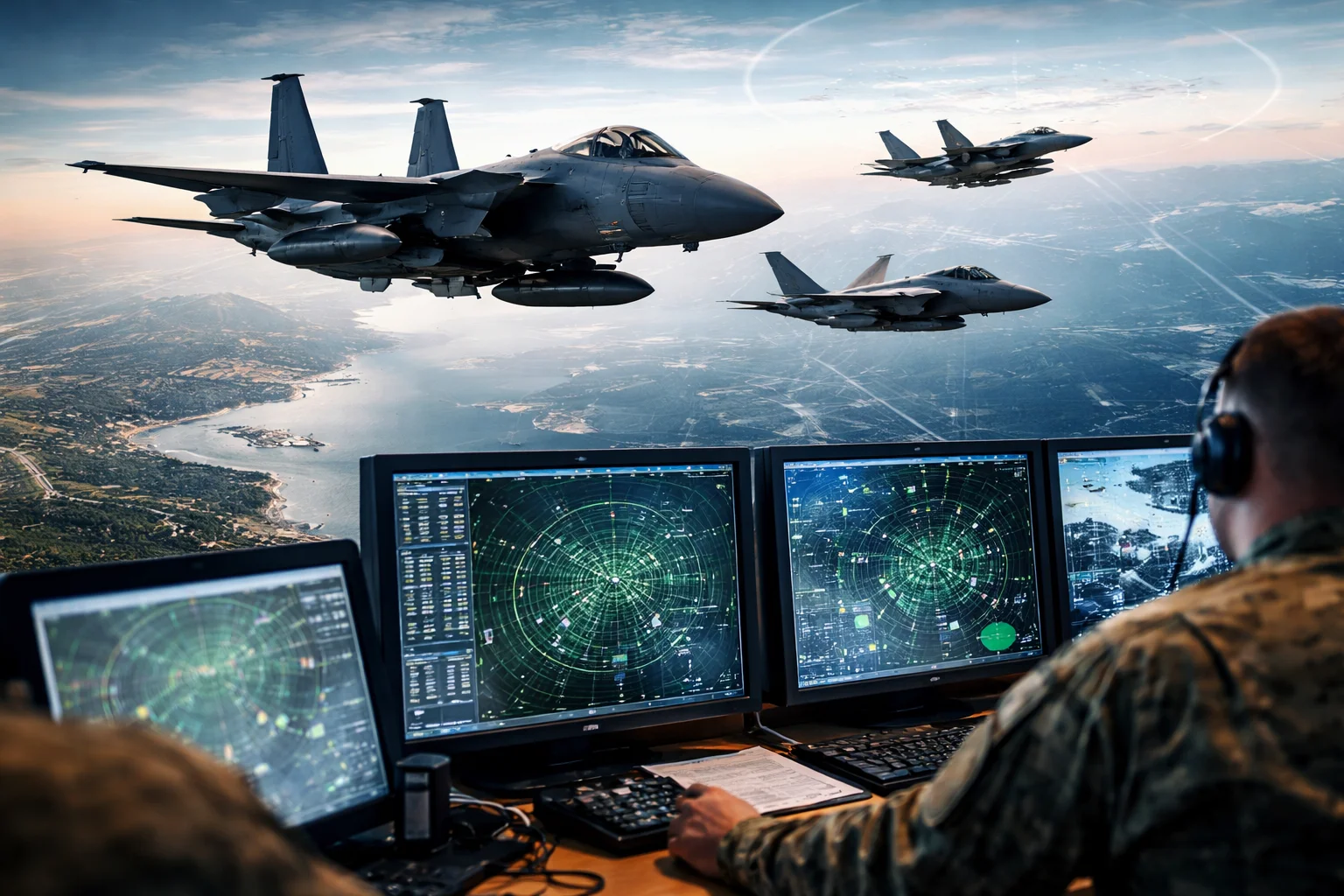
Airspace is one of the least visible but most important elements of aviation. Every flight depends on carefully managed airspace that balances safety, efficiency, and capacity.
What Airspace Management Really Means
Airspace management is the coordination of aircraft movement in three dimensions. It involves altitude separation, routing, and timing to prevent conflicts and reduce delays.
When flight paths change or delays occur, it is often because airspace managers are balancing high traffic volumes rather than reacting to isolated issues.
Why Flight Routes Are Not Always Direct
Passengers often assume the shortest path is the best path. In reality, routes are designed around airspace availability, weather patterns, and traffic density. Indirect routing is sometimes the safest and most efficient option overall.
This principle has guided air traffic systems for decades and continues to shape modern aviation operations.
The Importance of Coordination Between Regions
Airspace does not stop at national borders. International coordination ensures that aircraft can transition smoothly between regions. Changes in one area can ripple outward, affecting routes and schedules elsewhere.
This interconnectedness is why aviation systems emphasize cooperation and standardization over rapid experimentation.
How Airlines, Airports, and Airspace Work as One System
Aviation cannot be understood by looking at airlines, airports, or airspace in isolation. Each depends on the others to function reliably.
Why Small Changes Can Have Wide Effects
A minor adjustment in airport operations can affect airline schedules. A change in airspace flow can alter arrival patterns. These interactions are normal within a tightly linked system.
What matters is not whether change occurs, but whether it is coordinated and predictable.
The Balance Between Efficiency and Resilience
Aviation systems are designed to handle variability without compromising safety. This often means building in buffers, alternative procedures, and contingency planning.
While this approach may seem conservative, it is precisely what allows aviation to remain one of the most reliable modes of transportation.
How Standardization Supports Long-Term Stability
Global standards allow airlines and airports to operate across regions with shared expectations. These standards evolve carefully, ensuring that improvements do not undermine consistency.
This slow, deliberate evolution is a feature of aviation, not a flaw.
Common Misunderstandings About Aviation Change
Many concerns about aviation stem from misunderstanding how the system is designed to function.
Change Does Not Mean Instability
Adjustments in schedules, procedures, or infrastructure are part of normal operations. Stability in aviation comes from adaptability, not rigidity.
Complexity Is a Safety Feature
The layered systems that govern aviation exist to prevent single points of failure. What looks complex on the surface is often a sign of thoughtful risk management.
Headlines Rarely Reflect the Whole Picture
Public discussions often focus on isolated disruptions. The broader system, which enables millions of flights to operate safely, tends to remain unseen.
Frequently Asked Questions
Why do airline schedules change even when flights are popular?
Airline schedules reflect more than demand. Aircraft availability, crew requirements, maintenance planning, and airspace coordination all influence how schedules are structured.
Are airports becoming more complicated for travelers?
Airports may feel more complex, but most changes aim to manage higher passenger volumes safely and efficiently. Complexity behind the scenes often simplifies the traveler experience overall.
Why can’t air travel operate like road traffic?
Aircraft move at high speeds in shared airspace, requiring precise coordination. Unlike roads, airspace has limited capacity at specific altitudes and routes, making structured management essential.
Conclusion
Aviation is not defined by constant upheaval or isolated headlines. It is shaped by carefully managed systems that evolve to balance safety, efficiency, and reliability. Airlines adjust operations, airports refine infrastructure, and airspace managers coordinate movement—all within long-established frameworks.
By understanding how these elements work together, changes in aviation become easier to interpret. Rather than seeing disruption, it becomes possible to recognize a global system designed to adapt without losing its core strengths. This long-term perspective reveals aviation not as unpredictable, but as deliberately resilient.

Related Posts