Many people hear the term “black box” after an aircraft incident and assume it is some mysterious device that magically explains everything. In reality, the black box is neither black nor mysterious. It is a carefully engineered recording system designed to survive extreme conditions and quietly document what happens during a flight.
This article clears up the confusion. You’ll learn what a black box actually is, how it works, what it records, and why it plays such a critical role in aviation safety—without relying on news events, timelines, or technical hype.
What Is a Black Box in Aviation?
Why it’s called a “black box”
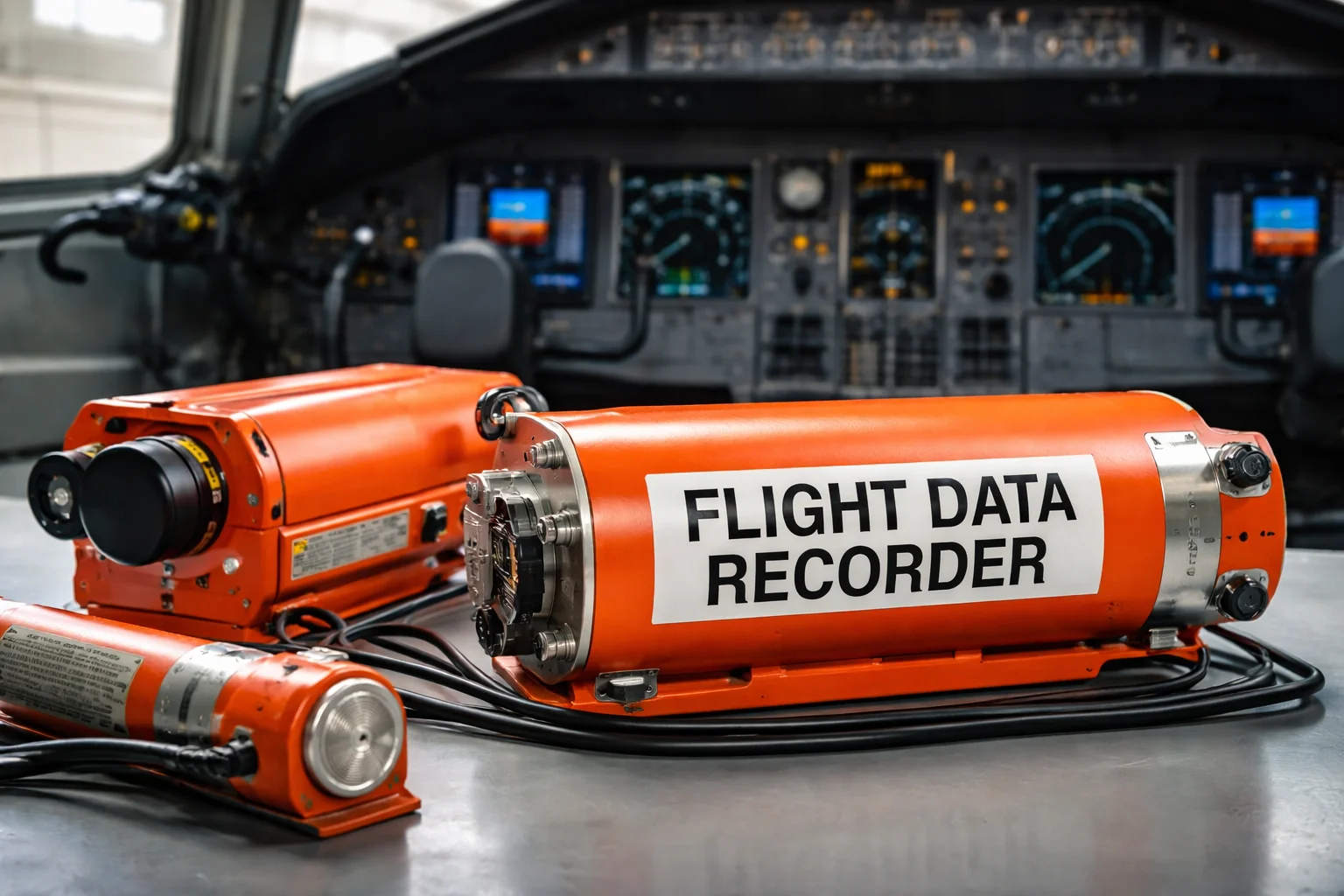
The term “black box” is an informal name used to describe aircraft recording devices. Despite the nickname, these units are typically painted bright orange so they are easier to find after an accident. The name stuck because the internal workings are sealed and not meant to be accessed during normal operation.
The two main components
In modern aviation, the “black box” actually refers to two separate devices working together:
- Flight Data Recorder (FDR) – Captures technical data about how the aircraft is performing.
- Cockpit Voice Recorder (CVR) – Records audio from the cockpit environment.
Both devices are designed to operate continuously during flight without any action required from the crew.
How a Flight Data Recorder Collects Information
Sensors throughout the aircraft
The Flight Data Recorder does not work alone. It receives information from sensors installed across the aircraft. These sensors monitor variables such as:
- Aircraft speed and altitude
- Engine performance
- Control surface movement
- Heading, acceleration, and vertical motion
Each sensor sends data in real time, creating a detailed picture of how the aircraft behaves during every phase of flight.
Continuous recording during flight
Once the aircraft is powered and begins moving, the FDR starts recording automatically. Older data is gradually overwritten, ensuring the most recent flight information is always available without requiring manual resets.
Data storage designed for survival
The recorded information is stored in solid-state memory. This type of storage has no moving parts, which greatly increases reliability during high-impact events.
What the Cockpit Voice Recorder Captures
Audio sources inside the cockpit
The Cockpit Voice Recorder focuses on sound rather than numbers. It typically records:
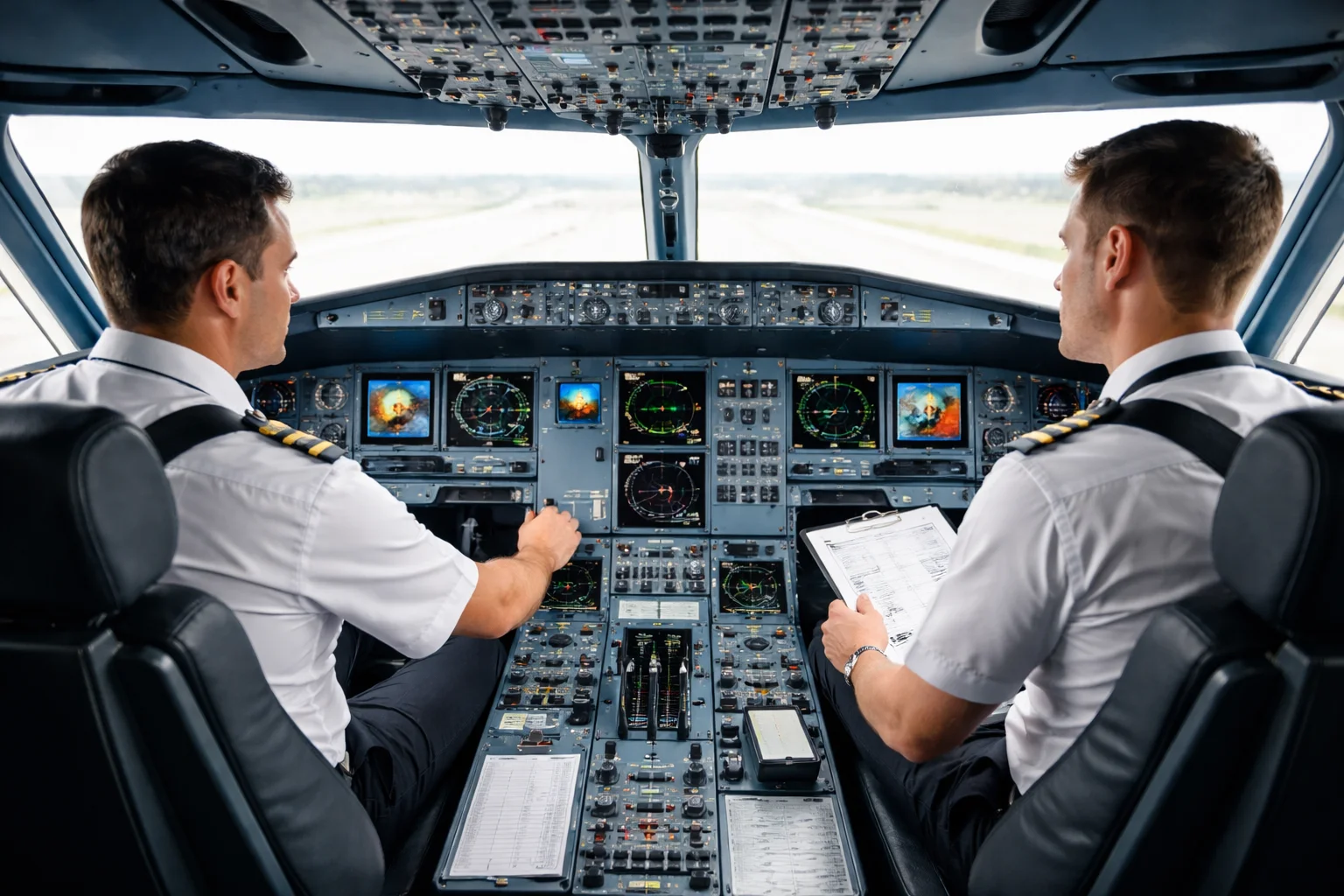
- Pilot conversations
- Radio communications with air traffic control
- Ambient cockpit sounds such as alarms, switches, and engine noise
These sounds help investigators understand crew actions, workload, and situational awareness.
Why audio matters as much as data
Technical data shows what the aircraft did. Audio helps explain why it happened. A warning tone, a checklist discussion, or a moment of silence can all provide critical context when combined with flight data.
Why Black Boxes Are Built to Survive Extreme Conditions
Impact and fire resistance
Black boxes are engineered to withstand forces far beyond normal aviation limits. Their protective casing is designed to survive:
- Severe impact forces
- High-temperature fires
- Crushing pressure
This durability ensures that data remains intact even when the aircraft structure does not.
Underwater location technology
Many recorders include an underwater locator beacon. If submerged, this beacon emits a signal that helps search teams locate the device, even in deep or murky water.
How Investigators Use Black Box Data
Reconstructing the flight
Once recovered, the data is carefully extracted and analyzed. Investigators combine:
- Flight parameters from the FDR
- Audio timelines from the CVR
- Radar data and maintenance records
Together, these sources help reconstruct the flight from start to finish.
Understanding systems, not assigning blame
The purpose of black box analysis is not punishment. It is about understanding how systems interact and where safeguards can be improved. This focus on learning has been central to long-term aviation safety improvements.
Common Misconceptions About Black Boxes
“They record video”
Black boxes do not record cockpit video. They focus on data and audio, which are more reliable and relevant for technical analysis.
“They monitor pilots”
The recordings are not used for routine monitoring. Data is typically accessed only during investigations or specific safety studies.
“They can prevent accidents”
Black boxes do not prevent accidents directly. Their value lies in helping prevent future incidents by revealing patterns and system behaviors.
How Black Boxes Support Long-Term Aviation Safety
Identifying recurring patterns
By studying data from many flights and incidents, aviation authorities can identify trends that may not be obvious from a single event.
Improving training and design
Insights from black box data influence:
- Pilot training programs
- Aircraft design improvements
- Operational procedures
These changes accumulate over time, quietly raising safety standards across the industry.
Frequently Asked Questions
Are black boxes always recoverable?
While they are designed to survive extreme conditions, recovery depends on location and accessibility. Their durability and locator signals significantly improve the chances of retrieval.
Do black boxes record everything forever?
No. They operate on a loop system, continuously overwriting older data so that recent flight information is always preserved.
Can black box data be accessed during normal flights?
No. The data is securely stored and not available for live monitoring or routine access.
Conclusion
Black boxes are not mysterious devices hidden away for rare moments of drama. They are practical, resilient tools built to quietly document how aircraft systems and crews operate together. By recording both technical data and cockpit audio, they provide a reliable foundation for understanding complex situations and improving aviation safety over time.
Their real value lies not in headlines, but in the steady, long-term improvements they enable—one flight, one insight, and one lesson at a time.

Related Posts