For many people, flying feels unnatural. You’re lifted thousands of feet above the ground, moving at speeds far beyond everyday experience, trusting systems you can’t see and people you’ve never met. It’s normal to wonder: How safe is flying, really?
This article clears away the mystery. It explains how aviation safety works, why flying has earned its reputation as one of the safest forms of transportation, and what actually keeps passengers safe from the moment a flight is planned to the moment it lands. No hype, no headlines—just the fundamentals that make modern aviation reliable.
How Aviation Safety Is Designed from the Ground Up
Aviation safety is not based on luck or individual skill alone. It is built into the entire system, long before an aircraft ever leaves the runway.
Safety as a System, Not a Single Feature
Flying is safe because safety is layered. No single component is expected to work perfectly on its own. Instead, aircraft, crews, airports, and air traffic systems are designed to support one another. If one layer encounters a problem, another layer is already in place to manage it.
This approach is known as redundancy. Critical systems—navigation, hydraulics, power, communication—are duplicated or even triplicated. The goal is simple: no single failure should lead to a dangerous situation.
Why Commercial Aircraft Are Built Differently
Commercial aircraft are engineered with strict margins. Every structure, from the wings to the fuselage, is tested far beyond normal operating limits. These tests simulate extreme conditions that aircraft rarely encounter in real life.
Aircraft are also designed to remain controllable even when something goes wrong. This doesn’t mean problems never happen; it means they are anticipated. Aviation safety assumes that failures are possible and plans accordingly.
The Role of Pilots in Aviation Safety
Pilots are often seen as the main reason flights are safe. In reality, they are one part of a much larger safety framework.
Training Beyond Normal Operations
Pilots are trained not just to fly, but to manage abnormal situations. Much of their training focuses on rare scenarios that most passengers never witness. Simulators recreate system failures, weather challenges, and complex decision-making under pressure.
This training is continuous. Skills are evaluated regularly, and procedures are practiced repeatedly so responses become instinctive rather than improvised.
Crew Resource Management
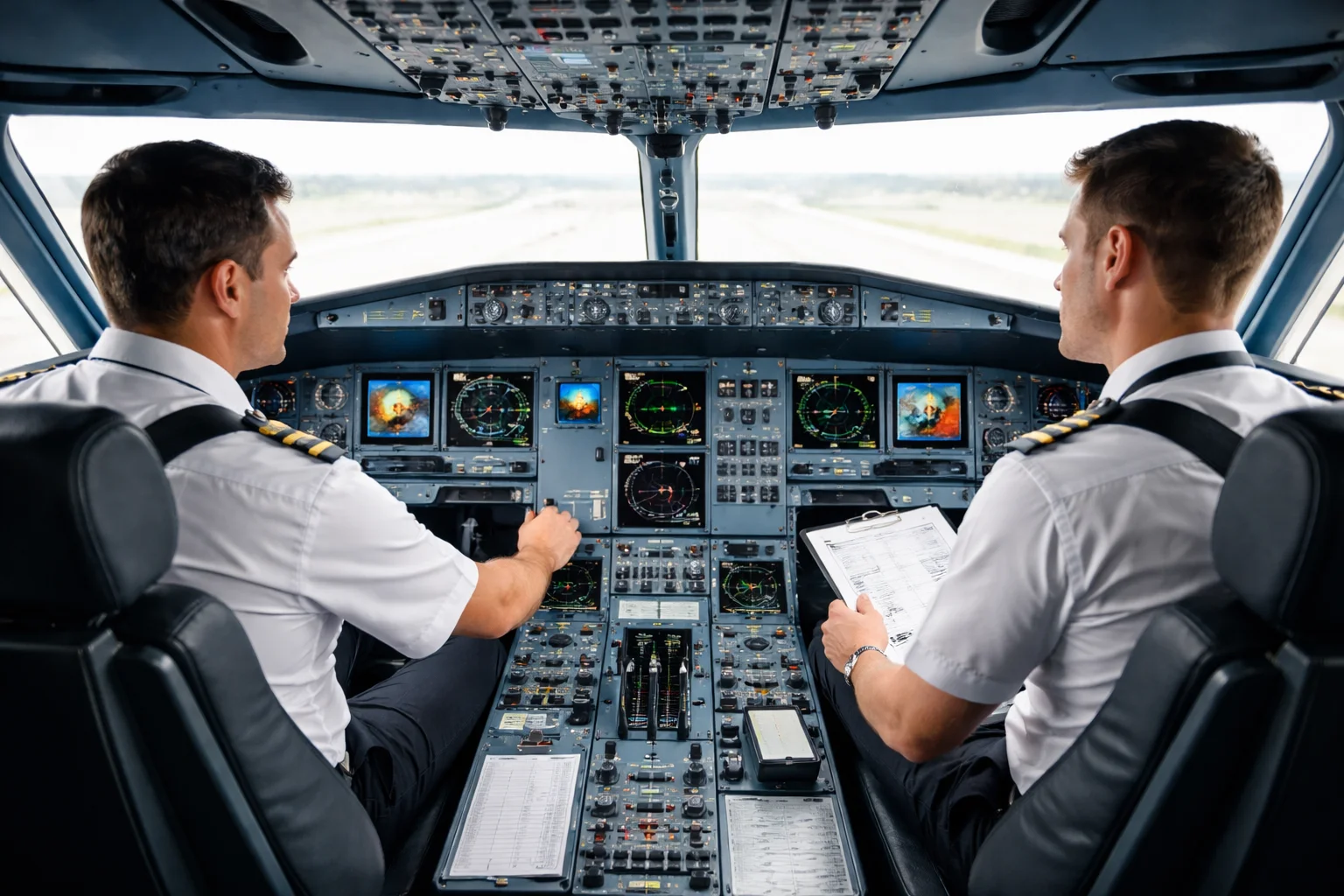
Modern aviation emphasizes teamwork in the cockpit. Decisions are discussed, cross-checked, and verified. This reduces the risk of human error and ensures that no single person’s mistake goes unnoticed.
Clear communication, shared responsibility, and structured decision-making are core safety principles—not optional habits.
Aircraft Maintenance and Inspection Standards
An aircraft’s safety doesn’t begin with takeoff. It begins on the ground, often long before passengers arrive at the airport.
Scheduled Maintenance as a Safety Backbone
Aircraft are maintained on precise schedules. Some checks happen daily, others after a certain number of flight hours or cycles. These inspections range from visual checks to deep structural examinations.
Maintenance is preventive, not reactive. Parts are replaced based on usage and time, not just visible wear. This approach prevents small issues from becoming serious problems.
Independent Oversight and Documentation
Maintenance work is documented in detail. Records follow the aircraft throughout its life, creating a traceable history of every inspection and repair. Independent oversight ensures that standards are applied consistently across the industry.
This transparency is a major reason aviation maintains long-term reliability.
How Air Traffic Control Keeps Aircraft Safe
While pilots manage the aircraft, air traffic control manages the airspace. This coordination is essential to aviation safety.
Separation as a Core Principle
Aircraft are kept separated both horizontally and vertically. Controllers use standardized procedures to maintain safe distances, even in crowded airspace. These separations are conservative by design, leaving room for adjustments if conditions change.
Automation supports this process, but human oversight remains central. Technology assists decision-making rather than replacing it.
Managing Complexity Calmly
Air traffic systems are designed to handle high volumes without rushing decisions. If conditions become complex—due to weather, congestion, or technical factors—controllers slow the system down rather than pushing it harder.
Delays may be inconvenient, but they are often a sign that safety margins are being protected.
Weather, Turbulence, and What Passengers Experience
Many fears about flying are linked to turbulence or weather. Understanding what’s happening can make these experiences less intimidating.
Turbulence Is Usually a Comfort Issue, Not a Safety One
Turbulence feels dramatic because the aircraft moves unexpectedly. However, aircraft are designed to handle turbulence well beyond what passengers typically experience.
Pilots avoid severe turbulence when possible, but even when it occurs, it rarely poses a threat to the aircraft itself. Seat belts exist not because turbulence is dangerous to the plane, but because sudden movement can cause injuries inside the cabin.
Weather Avoidance Is Proactive
Modern aviation relies heavily on forecasting and real-time data. Routes are planned to avoid hazardous weather, and adjustments are made as conditions evolve.
When flights are delayed or rerouted due to weather, it’s usually because safety margins are being preserved—not because the situation is already dangerous.
Common Misconceptions About Flying Safety
Some fears persist simply because they are repeated often. Clearing them up helps put aviation safety into perspective.
“Mechanical Failure Means Disaster”
Mechanical issues are not unusual in complex machines. What matters is how they are handled. In aviation, most mechanical issues are managed without passengers ever noticing.
Systems are designed to degrade gracefully, meaning they continue functioning safely even when something isn’t working perfectly.
“Human Error Makes Flying Risky”
Human error exists in all activities. Aviation addresses this by designing procedures that catch mistakes before they matter. Checklists, cross-verification, and structured communication all exist to reduce reliance on memory or individual judgment alone.
The system assumes humans are imperfect—and builds safeguards around that reality.
How Safety Improves Without Constant Reinvention
Aviation safety doesn’t depend on dramatic breakthroughs. It improves through steady refinement.
Learning from Every Flight
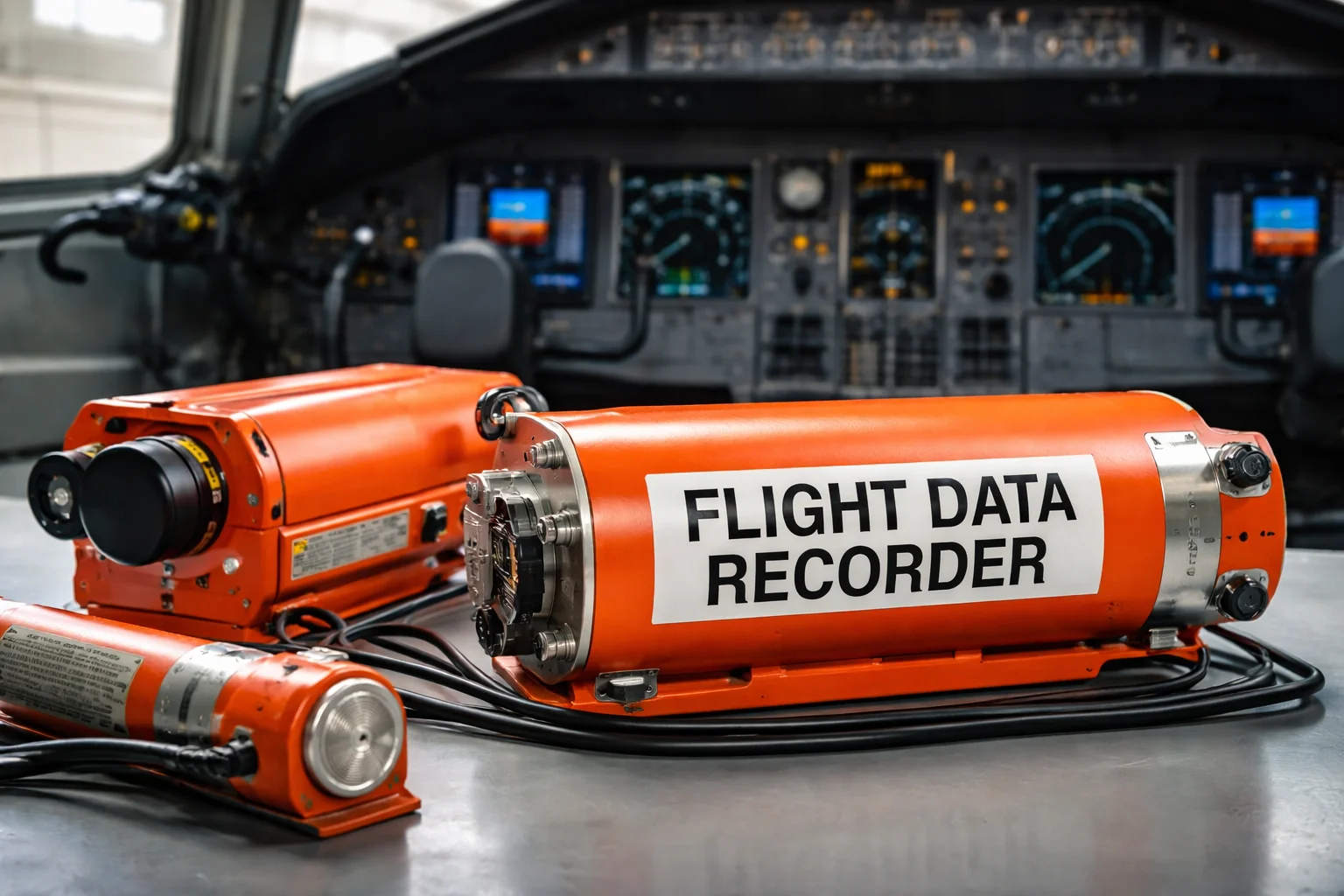
Aviation culture encourages reporting and analysis. Small incidents are examined carefully, even when no harm occurs. This allows lessons to be learned early, before patterns develop.
This feedback loop is one of the industry’s greatest strengths.
Consistency Over Speed
Rather than rushing change, aviation emphasizes consistency. New procedures and technologies are introduced gradually, tested thoroughly, and standardized across the system.
This cautious approach prioritizes reliability over novelty.
FAQ: Timeless Questions About Flying Safety
Is flying safer than driving?
Flying benefits from centralized control, professional training, and strict standardization. These factors reduce variability and unpredictability, which are common risks in everyday road travel.
Why do accidents feel more frightening when they happen in aviation?
Aviation incidents receive intense attention because they are rare and involve many people at once. This visibility can distort perception, making uncommon events feel more frequent than they are.
Does automation make flying safer or riskier?
Automation improves safety when it supports human decision-making. Pilots are trained to understand automated systems and intervene when necessary, creating a balance between technology and human judgment.
Final Thoughts: Understanding Safety Builds Confidence
Flying feels extraordinary because it is. But the systems that support it are grounded in careful planning, layered protection, and disciplined execution. Aviation safety is not about eliminating risk entirely—it’s about managing risk so effectively that flying becomes routine rather than remarkable.
When you understand how safety is built into aircraft, training, maintenance, and airspace management, fear often gives way to trust. Not blind trust, but informed confidence rooted in how the system works and why it continues to perform reliably.
That’s what makes flying not just possible, but consistently safe.

Related Posts