For many passengers, aviation feels mysterious until something unexpected happens. A sudden announcement, an unscheduled landing, or a change in destination can instantly raise questions—and sometimes anxiety. What caused it? Is it dangerous? How often does this really happen?
This article is designed to clear up that confusion. It explains, in plain and practical terms, how emergency landings, flight diversions, and in-flight incidents actually work. Rather than focusing on isolated events, it explores the systems, decisions, and safety principles that guide modern aviation every day.
By the end, you’ll understand not just what happens when a flight doesn’t go as planned, but why these situations are often signs of the system working exactly as intended.
What Counts as an Emergency Landing in Aviation?
An emergency landing is any landing made earlier than planned because continuing the flight is no longer the safest option. Importantly, the word “emergency” in aviation does not always mean immediate danger.
When an Emergency Landing Is Declared
Pilots may declare an emergency when:
- A mechanical system is not functioning as designed
- A medical issue affects a passenger or crew member
- Environmental factors make continuing unsafe
- Operational conditions change unexpectedly
Declaring an emergency gives pilots priority handling, direct communication, and additional support. It is a proactive safety tool, not a sign that a disaster is unfolding.
Emergency vs. Precautionary Landings
Not all unscheduled landings involve distress:
- Emergency landings involve an active issue that requires immediate attention
- Precautionary landings occur when a situation might worsen if ignored
In aviation, choosing caution early is considered professional judgment, not overreaction.
Why Flights Divert Even When Nothing Seems Wrong
A diversion happens when an aircraft lands at an airport other than its original destination. To passengers, diversions can feel confusing—especially when the flight appears calm.
Common Reasons for Flight Diversions
Diversions are typically driven by:
- Weather conditions at the destination
- Runway or airport operational limitations
- Medical situations requiring faster access to care
- Technical alerts that require inspection on the ground
- Air traffic flow constraints
Many diversions occur long before any situation becomes critical, precisely to avoid risk.
Diversions Are Planned Into Flight Operations
Before every flight, crews identify multiple alternate airports. Fuel planning, navigation, and crew procedures already account for the possibility of diversion. This means a diversion is rarely improvised; it is an expected and rehearsed part of flight operations.
Understanding In-Flight Incidents Without Alarm
An in-flight incident refers to any situation that deviates from routine operations. Most incidents are minor, managed quickly, and never escalate.
Technical Alerts and System Warnings
Modern aircraft continuously monitor thousands of parameters. When a sensor detects something outside normal limits, it alerts the crew. These alerts:
- Do not necessarily indicate failure
- Often point to redundancy systems doing their job
- Are evaluated using structured checklists
Aircraft are designed to continue flying safely even when multiple systems are offline.
Medical Situations on Board
Medical events are among the most common reasons for diversions. Crews are trained to:
- Provide first aid and basic medical care
- Consult medical professionals on the ground
- Decide whether continued flight or diversion best serves the patient
The aircraft itself is rarely at risk in these cases.
How Pilots Decide Whether to Continue or Land
Pilots follow a structured decision-making framework designed to remove guesswork.
Risk Assessment and Standard Procedures
Crews assess:
- Severity and stability of the situation
- Aircraft performance and redundancy
- Distance to suitable airports
- Weather and terrain considerations
Decisions are guided by standardized procedures developed through decades of operational experience.
Crew Coordination and Support
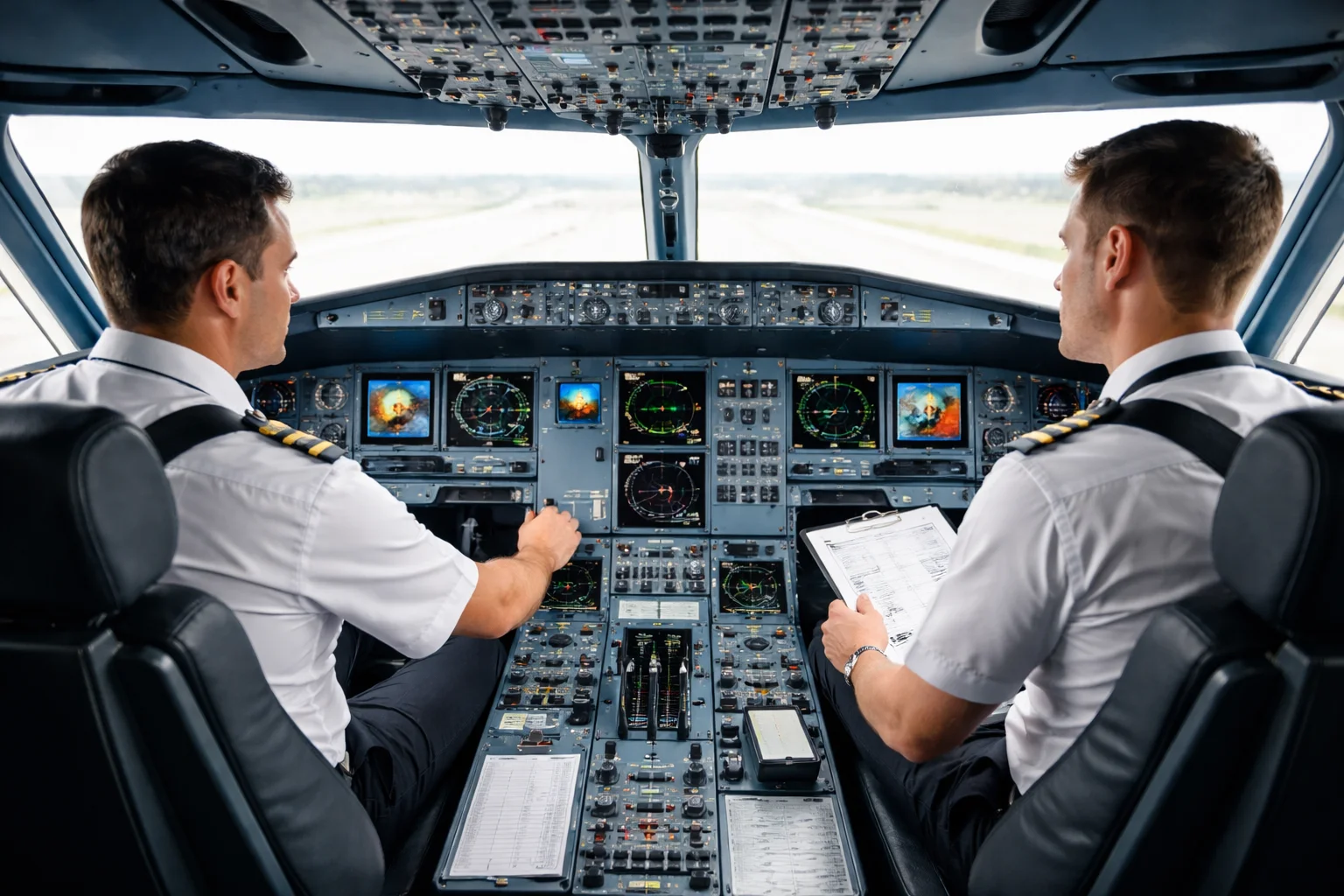
Pilots are never alone in these decisions. They work with:
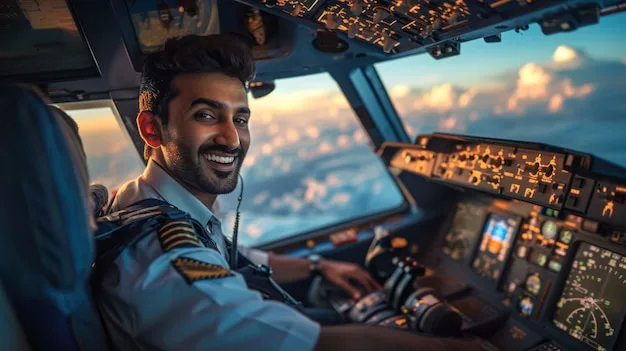
- Co-pilots and cabin crew
- Airline operations centers
- Air traffic control
- Maintenance and medical advisors
This layered approach ensures decisions are balanced, informed, and conservative.
What Passengers Usually Experience During These Situations
From the cabin, an emergency or diversion often feels understated. That’s intentional.
Cabin Announcements and Communication
Pilots typically share:
- What passengers need to know
- What actions, if any, are required
- Reassurance without unnecessary technical detail
Clear but calm communication helps prevent confusion while maintaining focus on safety.
Landings, Delays, and Afterward
After landing:
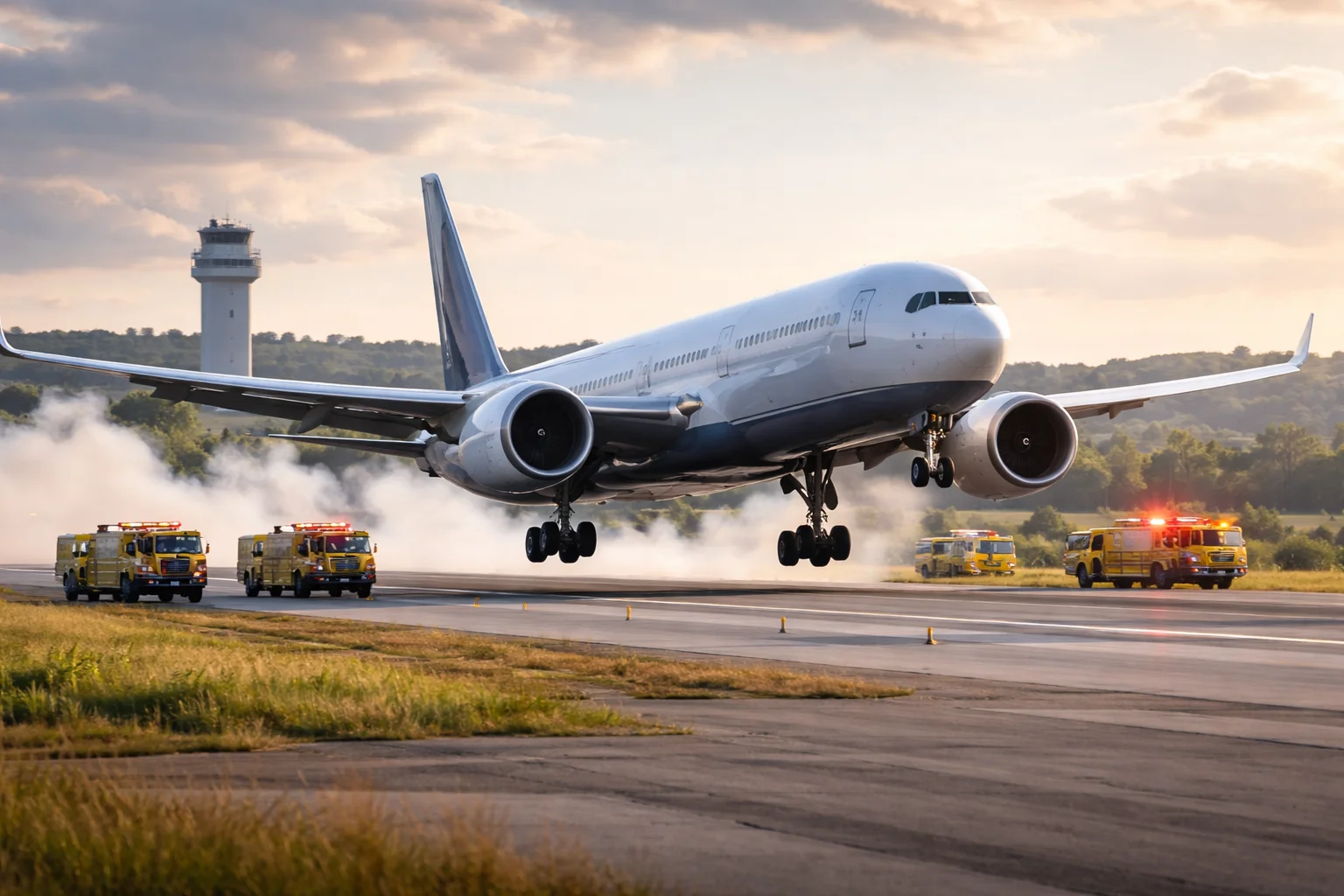
- Emergency vehicles may be present as a precaution
- Maintenance or medical teams may board
- Passengers may experience delays or rebooking
While inconvenient, these steps reflect layered safety practices rather than heightened danger.
Common Misconceptions About Emergency Landings and Diversions
Misunderstandings often amplify fear more than the event itself.
“An Emergency Means the Plane Was About to Crash”
In reality, emergencies are often declared early—long before safety margins are threatened. Early action is a hallmark of safe aviation, not failure.
“Modern Planes Don’t Have These Issues”
Highly advanced systems actually detect more conditions earlier. More alerts do not mean less safety; they mean better monitoring.
“If It Was Serious, Passengers Would Know Everything”
Aviation communication prioritizes clarity and calm. Detailed technical explanations are not always helpful or necessary during flight.
Why These Situations Demonstrate Safety, Not Weakness
Emergency landings, diversions, and incident responses show how aviation manages uncertainty.
Built-In Redundancy and Conservative Culture
Aviation assumes that things can go wrong—and plans accordingly. Systems are duplicated, procedures are standardized, and decisions favor caution over convenience.
Continuous Training and Evaluation
Flight crews regularly practice abnormal scenarios in simulators. This keeps responses consistent, measured, and effective regardless of the specific situation.
Frequently Asked Questions
Are emergency landings common in commercial aviation?
They occur regularly enough to be well-understood but are rare compared to the total number of flights. Most are precautionary rather than critical.
Can a plane fly safely after an in-flight incident?
Yes. Aircraft are designed to operate safely with multiple systems unavailable. Many incidents do not affect the aircraft’s ability to fly normally.
Why do emergency vehicles meet planes after some landings?
Emergency services often respond as a precaution. Their presence does not automatically indicate danger; it ensures immediate support if needed.
Conclusion
Unexpected landings and flight changes can feel unsettling, especially when viewed from a passenger seat. Yet these moments are not signs of aviation failing—they are examples of aviation working as designed.
Emergency landings, diversions, and in-flight incident responses exist because the industry prioritizes anticipation, redundancy, and caution. By understanding how these systems function and why decisions are made early, passengers can view these events with clarity rather than concern.
In the end, the most reassuring truth is this: when a flight changes course, it is usually because the safest choice has already been made.

Related Posts