Airspace rules often feel confusing, even to frequent travelers. People hear terms like restricted airspace, no-fly zone, or temporary flight restriction and assume they all mean the same thing. In reality, these concepts serve different purposes and operate within a carefully structured aviation system.
This guide breaks down how restricted airspace, no-fly zones, and flight restrictions actually work. It explains why they exist, how they are enforced, and how pilots, airlines, and even drone operators interact with them. The goal is not to follow headlines, but to understand the long-term systems that keep aviation safe, orderly, and predictable.
What Is Airspace and Why Is It Regulated?
Airspace is not an open, ungoverned sky. It is a shared, regulated environment designed to balance safety, security, efficiency, and national sovereignty.
How Airspace Is Structured
Most countries divide airspace into different classes and zones. These classifications define who can fly where, under what conditions, and with what level of oversight. Some areas allow free movement with minimal control, while others require strict authorization.
This structure helps:
- Prevent mid-air collisions
- Separate civilian, commercial, and military activity
- Protect sensitive locations
- Maintain orderly traffic flow
Without regulation, modern aviation would not be scalable or safe.
Who Controls Airspace Rules
Airspace rules are set by national aviation authorities, often aligned with international standards. While details vary by country, the underlying principles are consistent worldwide: safety first, predictability second, and flexibility where possible.
What Is Restricted Airspace?
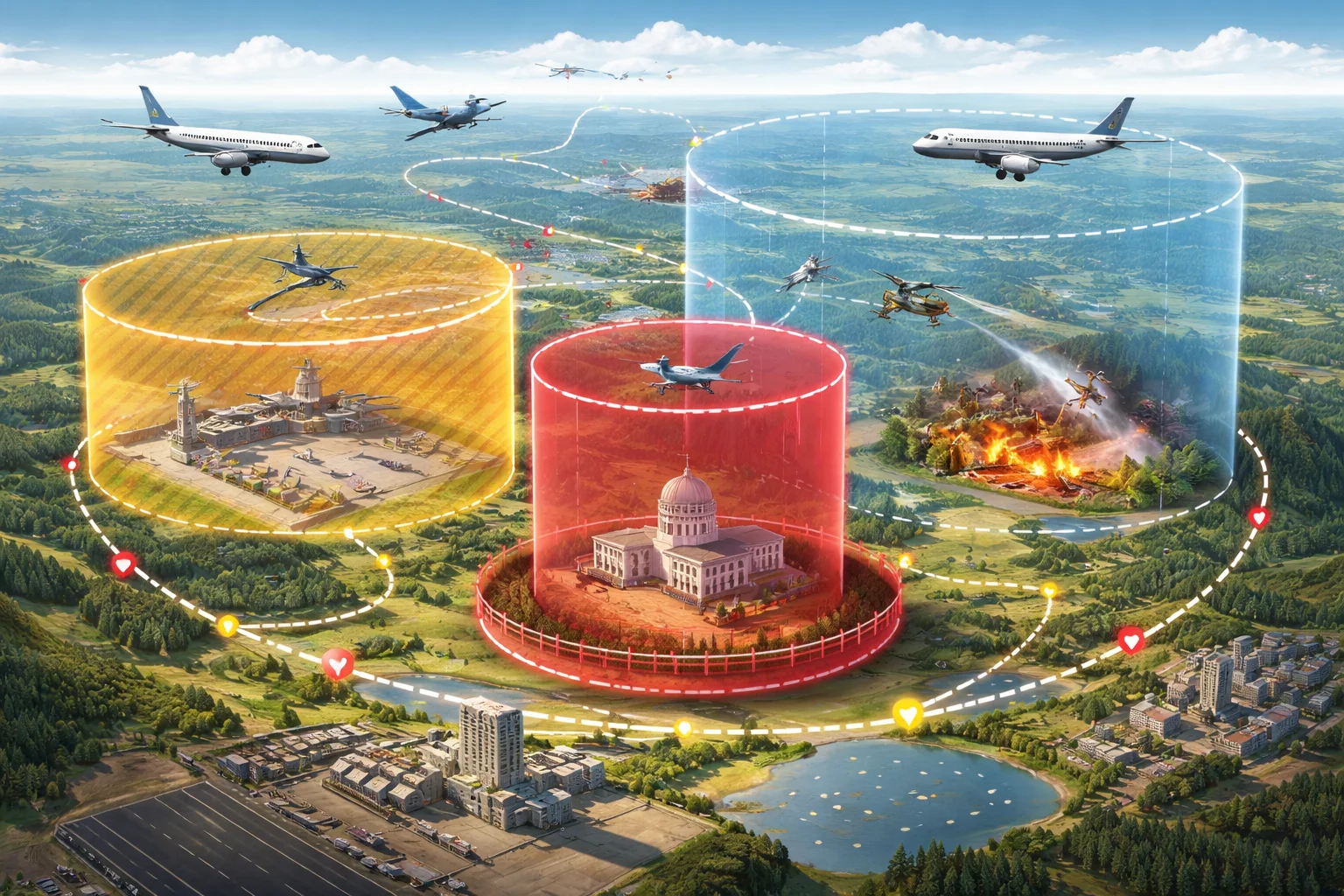
Restricted airspace refers to areas where flight is limited but not always completely banned. These restrictions exist for safety, security, or operational reasons.
Why Restricted Airspace Exists
Restricted airspace is commonly established around:
- Military training areas
- Weapons testing ranges
- Space launch corridors
- Sensitive infrastructure
In these zones, certain activities may occur that pose a risk to civilian aircraft. Restricting access reduces the chance of accidents while allowing essential operations to continue.
What Flying Through Restricted Airspace Involves
Flying through restricted airspace may be possible, but only under specific conditions. Pilots typically need:
- Prior authorization
- Active communication with air traffic control
- Compliance with altitude, timing, or route limitations
When restrictions are inactive, some areas may temporarily allow transit, which highlights the difference between restricted airspace and absolute bans.
What Is a No-Fly Zone?
A no-fly zone is a much stricter concept. It is an area where aircraft are not permitted to operate at all, regardless of aircraft type or purpose, unless explicitly exempted.
The Purpose of No-Fly Zones
No-fly zones exist to:
- Protect national security assets
- Safeguard government facilities
- Reduce risks around high-profile locations
- Prevent unauthorized surveillance or threats
Unlike restricted airspace, no-fly zones are designed to leave no ambiguity. Entry without permission is treated as a serious violation.
How No-Fly Zones Are Enforced
Enforcement relies on multiple layers:
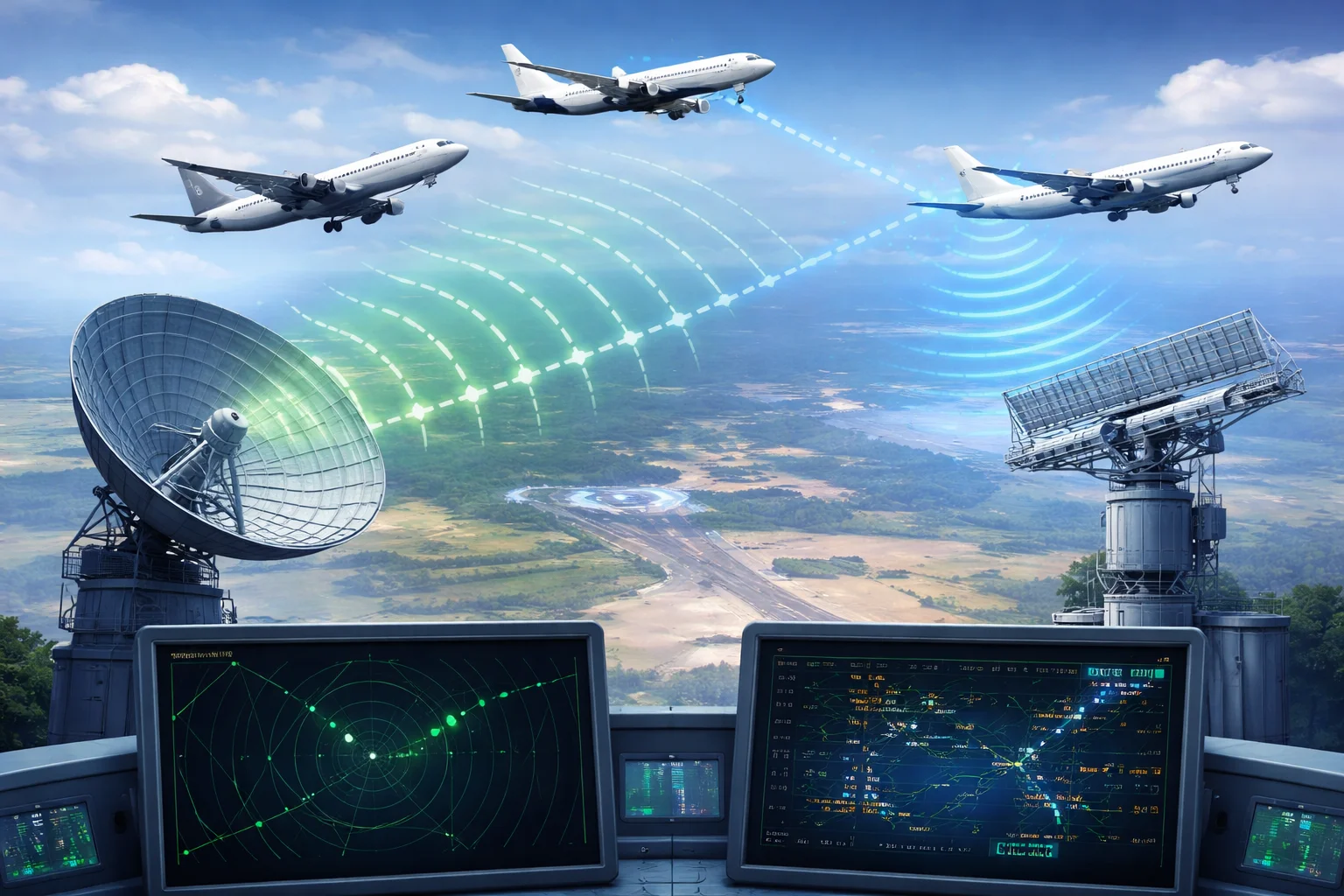
- Air traffic control monitoring
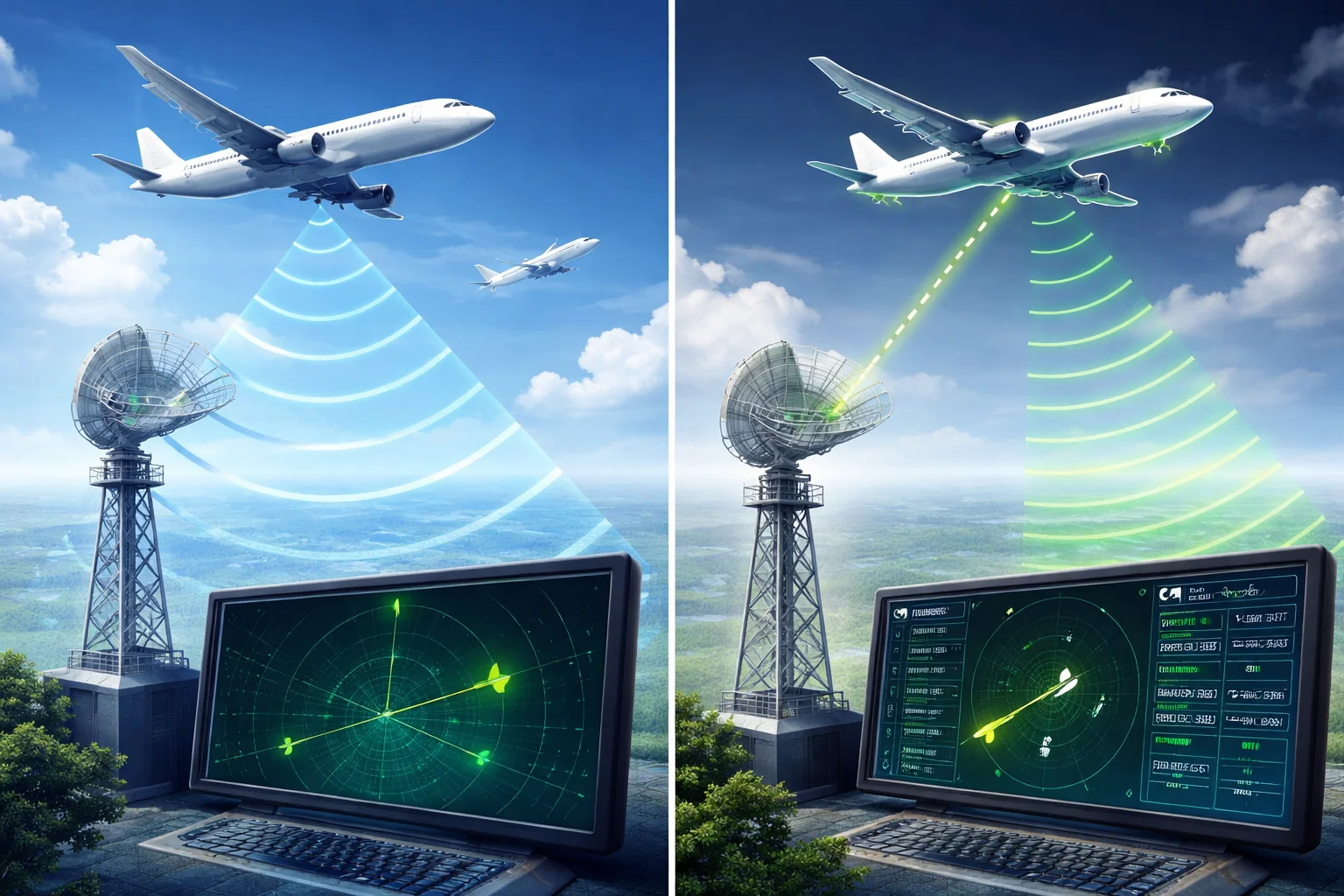
- Radar and surveillance systems
- Interceptor aircraft or air defense systems
- Legal penalties for violations
The presence of enforcement is part of the deterrent. Pilots are expected to avoid these areas entirely.
What Are Flight Restrictions?
Flight restrictions are rules that limit how, when, or where aircraft can operate. They are more flexible and context-based than no-fly zones.
Common Reasons for Flight Restrictions
Flight restrictions are commonly applied to:
- Manage high traffic density
- Protect emergency operations
- Secure large public gatherings
- Control airspace during special operations
These restrictions are not permanent by default, but their existence as a system is permanent.
How Flight Restrictions Differ From No-Fly Zones
The key difference is intent and flexibility:
- Flight restrictions regulate activity
- No-fly zones prohibit activity
Restrictions may allow certain aircraft types, altitudes, or missions, while no-fly zones typically allow none without exceptional authorization.
How Pilots Know Where They Can and Cannot Fly
Aviation depends on clarity. Pilots are trained to rely on standardized tools and procedures rather than assumptions.
Official Airspace Publications and Notices
Pilots use official aeronautical charts, digital flight planning systems, and regulatory notices to understand airspace boundaries. These tools are designed to be precise, authoritative, and standardized across the industry.
Pre-Flight Planning as a Safety System
Before every flight, pilots are responsible for reviewing:
- Route-specific airspace rules
- Known restrictions along the path
- Communication requirements
This process is not optional; it is a core part of aviation safety culture.
How Drones and Recreational Flyers Are Affected
Modern airspace rules apply not only to airplanes but also to unmanned aircraft systems.
Why Drones Face Stricter Limits
Drones operate at lower altitudes, often near people and infrastructure. Because of this, restrictions tend to be tighter and more automated, especially around sensitive areas.
Common Misconceptions About Drone Freedom
A common belief is that low-altitude flight is unregulated. In reality, many restricted and no-fly zones extend from the ground upward, making compliance essential even for small recreational devices.
Why These Rules Matter in Everyday Life
Airspace restrictions are not abstract concepts. They affect commercial flights, emergency services, military readiness, and public safety every day.
Balancing Freedom and Safety
Aviation systems aim to allow maximum freedom while minimizing risk. Restrictions are not meant to limit movement unnecessarily, but to create predictable boundaries that everyone can rely on.
Consistency as a Core Aviation Principle
The strength of aviation regulation lies in consistency. While specific locations may change, the logic behind restricted airspace, no-fly zones, and flight restrictions remains stable over time.
Common Questions About Restricted Airspace and No-Fly Zones
Is restricted airspace always active?
No. Some restricted airspace areas are only active during certain operations. When inactive, they may allow transit under air traffic control guidance.
Can commercial airlines ever enter no-fly zones?
Commercial airlines generally avoid no-fly zones entirely. Entry is only possible under exceptional circumstances with explicit authorization.
What happens if a pilot accidentally enters restricted airspace?
Procedures vary, but pilots are typically contacted immediately by air traffic control. The response focuses on safety first, followed by investigation and possible enforcement actions.
Conclusion
Restricted airspace, no-fly zones, and flight restrictions are not arbitrary barriers in the sky. They are structured tools that allow aviation to function safely, securely, and efficiently at scale.
By understanding how these systems work, the differences between them become clear. Restricted airspace limits activity, no-fly zones prohibit it, and flight restrictions manage complexity. Together, they form a framework that keeps air travel reliable and safe, regardless of how aviation technology or traffic levels evolve.

Related Posts