Introduction
Many people are surprised to learn that aircraft flying thousands of meters above the ground can be tracked by researchers, analysts, and aviation enthusiasts using openly shared data. A common question follows naturally: how is global airspace data actually collected, and who makes it available?
This article removes that confusion. It explains how airspace data is transmitted by aircraft, captured by ground-based receivers, processed into usable datasets, and shared for research and analysis. By the end, you will understand the systems behind modern air traffic visibility and why this data matters beyond simple flight tracking.
What Global Airspace Data Really Means
Understanding airspace data at a basic level
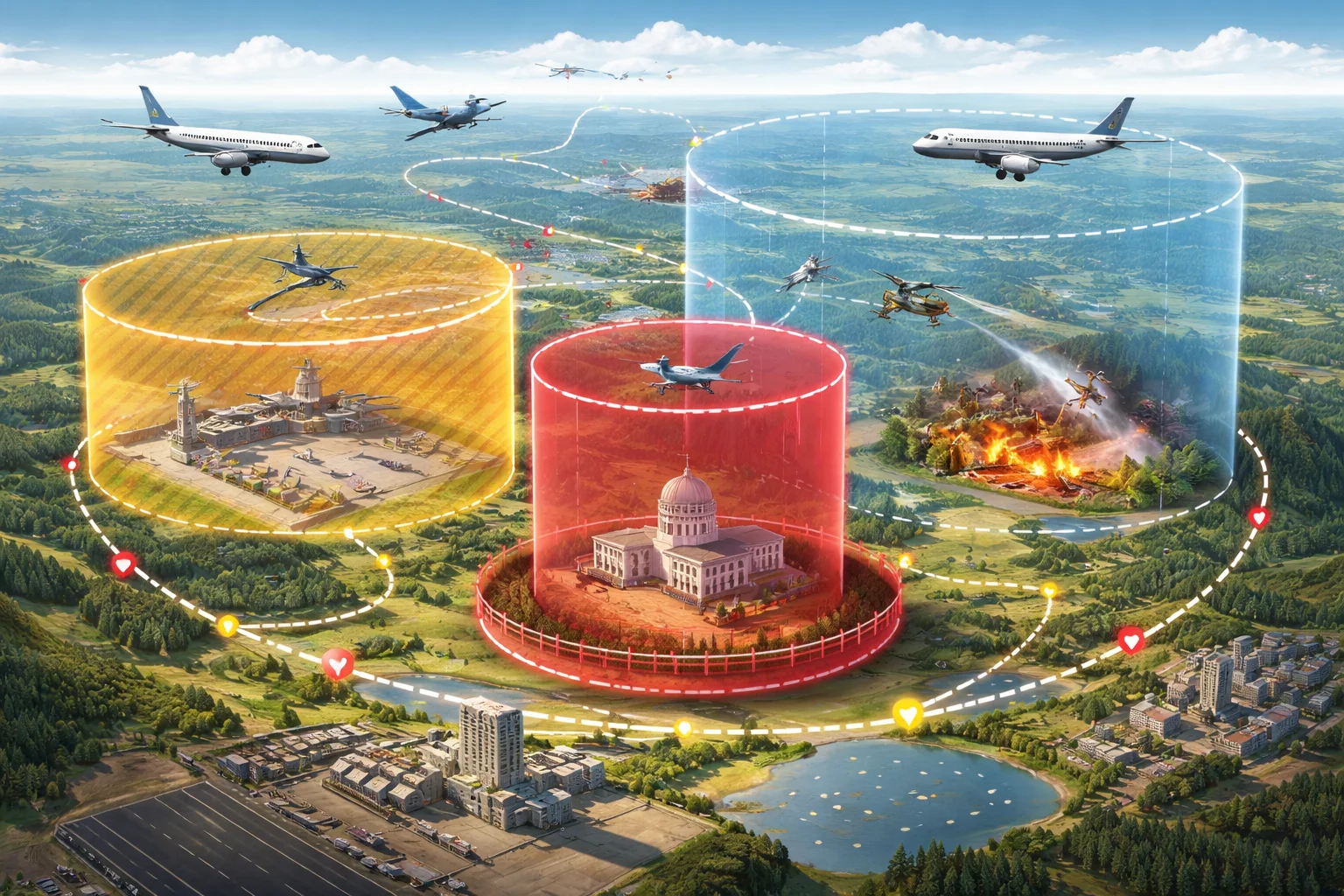
Global airspace data refers to information broadcast by aircraft while they are in flight. This data usually includes position, altitude, speed, direction, and a unique aircraft identifier. These signals are not private messages; they are part of standardized aviation safety practices designed to improve situational awareness.
Why aircraft broadcast their own information
Modern aviation depends on transparency. Aircraft continuously announce their position so that air traffic systems can manage separation and routing effectively. This approach reduces dependence on traditional radar alone, especially in areas where radar coverage is limited.
The Signals Aircraft Transmit
Automatic dependent surveillance signals
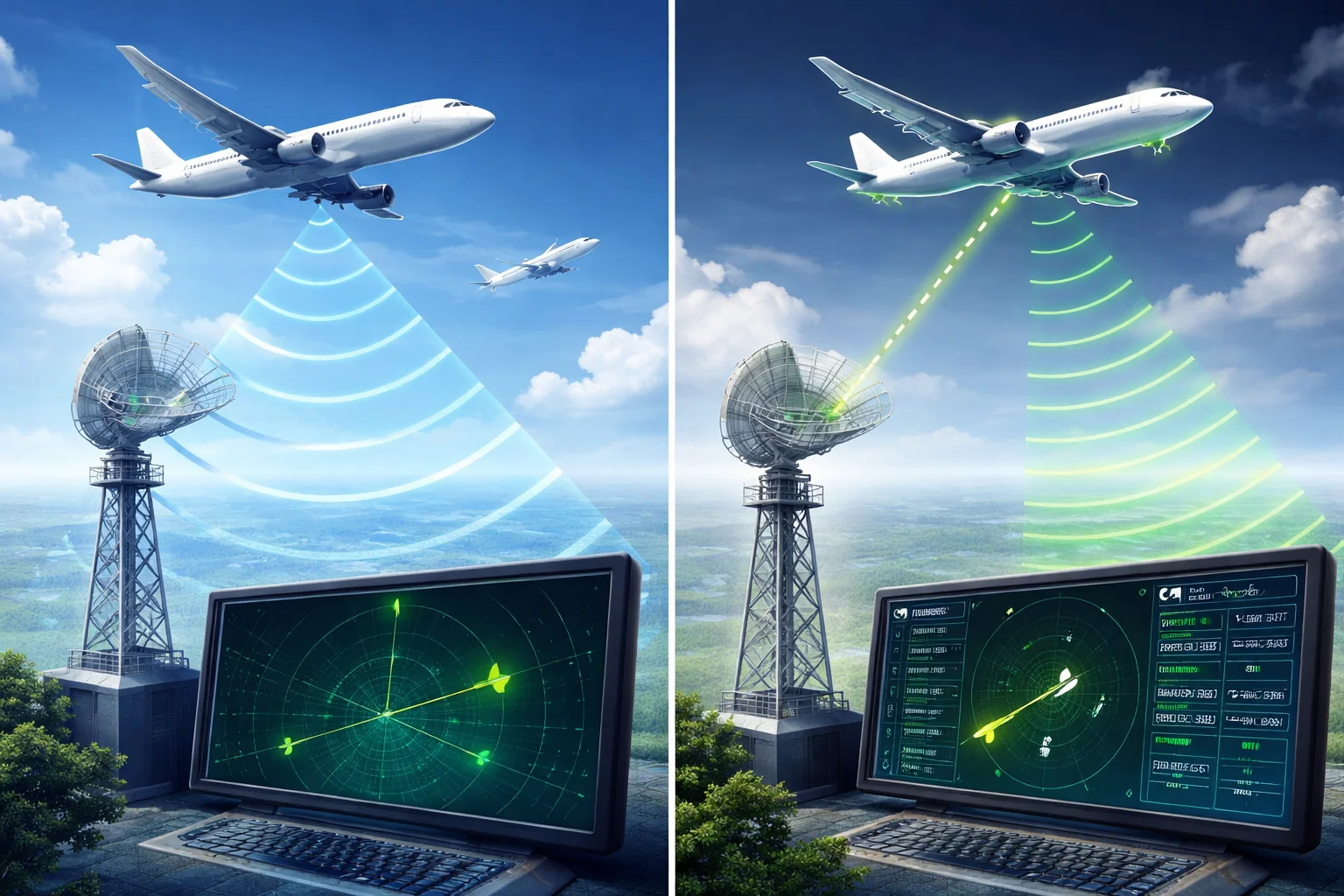
Most airspace data comes from automatic dependent surveillance systems. Aircraft calculate their own position using satellite navigation and broadcast that information automatically. These broadcasts occur frequently and require no manual input from pilots.
What information is included in each broadcast
A typical transmission includes geographic position, altitude, speed, heading, and an aircraft identity code. These elements follow global standards, allowing receivers anywhere in the world to interpret them consistently.
How Ground-Based Receivers Capture Airspace Data
The role of receiver stations
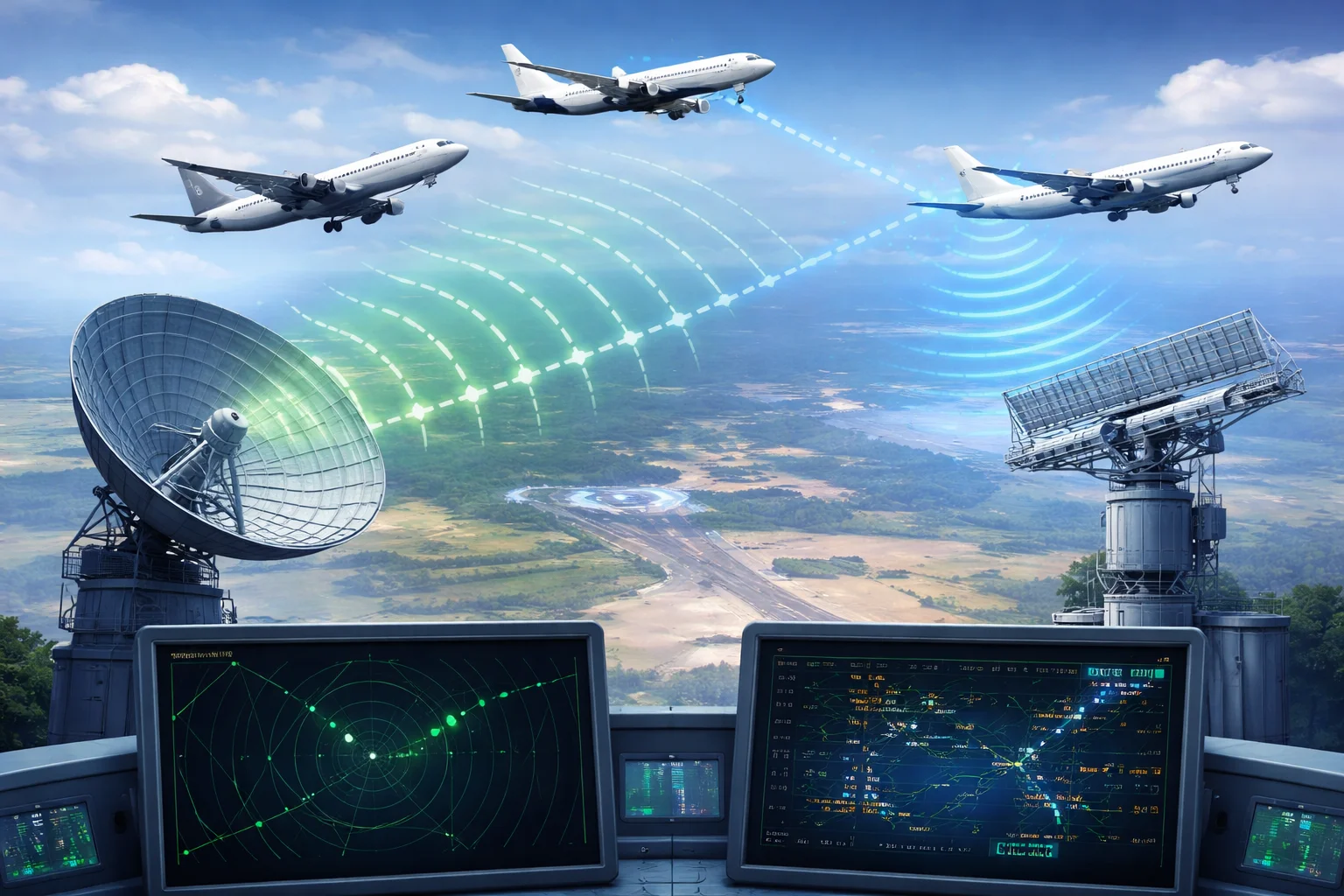
Ground-based receiver stations act as listeners. Using antennas tuned to aviation frequencies, they capture aircraft broadcasts when planes pass within range. Aircraft at higher altitudes can be received from much farther distances.
Why many receivers are needed
No single receiver can cover the entire sky. Terrain, buildings, and Earth’s curvature limit signal reach. Large networks rely on thousands of receivers placed across different regions to reduce blind spots and ensure reliable coverage.
How Individual Signals Become a Global Dataset
Collecting raw data streams
Each receiver captures raw data independently. On its own, that data only reflects local airspace. The real value appears when many streams are combined into a unified system.
Filtering, validating, and synchronizing data
Once collected, data is processed to remove duplicates, resolve conflicting reports, and correct timing differences. This step ensures accuracy and consistency across the dataset.
The Role of Open Research Networks
Why open aviation data networks exist
Some airspace data networks focus on research, transparency, and long-term analysis rather than commercial tracking. One example is the OpenSky Network, which provides structured access to global air traffic data for academic and safety-focused studies.
How contributors participate
Receivers are often hosted by volunteers, universities, and research institutions. Participants share data as part of a collaborative system that prioritizes data quality and long-term availability.
How Airspace Data Is Used in Practice
Supporting aviation safety analysis
Researchers analyze airspace data to study traffic density, route efficiency, and near-miss patterns. Because the data reflects real aircraft behavior, it provides insights that simulations alone cannot offer.
Studying long-term traffic patterns
Large datasets make it possible to observe how airspace usage evolves over time. Analysts can compare regions, altitude layers, and routing structures without relying on short-term snapshots.
Enabling education and transparency
Students and aviation professionals use open data to understand how real-world air traffic systems operate. This transparency supports informed discussion and technical learning.
Common Misconceptions About Airspace Data Collection
“This data tracks passengers”
Airspace data tracks aircraft, not people. It contains no passenger names, personal identifiers, or cargo details.
“Only governments can access this information”
Because aircraft broadcasts are open by design, many organizations and individuals can legally receive and study them using appropriate equipment.
“The data is always perfectly accurate”
Reception quality can vary due to weather, terrain, and equipment placement. This is why large networks rely on redundancy and verification rather than single data points.
How Privacy and Ethics Are Addressed
Respecting operational boundaries
Responsible data platforms apply controls to limit misuse. Sensitive details may be delayed or restricted based on ethical guidelines.
Balancing openness with responsibility
Open access is paired with clear usage terms that emphasize research, safety, and responsible analysis rather than exploitation.
Why This Data Model Is Built to Last
Based on stable aviation standards
Airspace data collection relies on long-established transmission standards that change slowly and deliberately, allowing meaningful long-term comparisons.
Scales naturally with global participation
As more receivers are added, coverage improves organically without requiring major system changes.
Frequently Asked Questions
Is global airspace data legal to collect?
Yes. Aircraft intentionally broadcast this information as part of standard aviation operations, and receiving it is generally lawful when used responsibly.
Can airspace data show all aircraft everywhere?
Coverage depends on receiver placement and aircraft altitude. While global datasets are extensive, some regions remain less visible.
Who benefits most from open airspace data?
Researchers, safety analysts, educators, and aviation professionals gain the most value from long-term access to real-world air traffic data.
Conclusion
Global airspace data collection works because aircraft openly broadcast essential information for safety and coordination. By capturing these signals through distributed receiver networks and processing them into structured datasets, researchers gain a reliable view of how airspace functions at scale. This system is built on stable standards, collaboration, and careful data handling, making it a dependable foundation for understanding aviation now and in the long run.

Related Posts