For many readers, military aviation can feel confusing from the outside. Aircraft appear, disappear, reroute civilian traffic, or trigger airspace restrictions, and the reasons are rarely explained in simple terms. People often wonder how air forces decide where to fly, how those movements are coordinated, and how controlled airspace is managed without disrupting global aviation.
This article breaks down those questions in a clear, time-neutral way. Instead of focusing on headlines or specific incidents, it explains how military air force movements and airspace control systems generally work, why they exist, and how they fit into the broader aviation environment. The goal is to help you understand the structure behind military aviation activity, not just react to isolated events.
How Military Air Force Movements Work
Military aircraft do not operate randomly or independently. Their movements follow structured planning, layered approvals, and coordination with civil aviation systems.
What Drives Military Flight Activity
Air force movements are shaped by long-standing responsibilities rather than short-term developments. These include national defense readiness, pilot training, equipment testing, surveillance missions, transport operations, and joint exercises. Each flight is planned around mission requirements, safety constraints, and airspace availability.
Unlike civilian aviation, military flights may prioritize operational flexibility over commercial efficiency. This means routes can change, altitudes can vary, and schedules may not be publicly visible. Even so, these movements follow strict internal procedures designed to reduce risk and maintain predictable patterns.
Training, Readiness, and Operational Cycles
A large portion of military flying is dedicated to training. Pilots must maintain proficiency in navigation, formation flying, refueling, and emergency procedures. These activities often take place in designated training areas that are designed to support repeated use over long periods.
Operational readiness also requires regular movement of aircraft between bases, maintenance facilities, and deployment zones. These transfers are routine and planned well in advance, even when they appear sudden to outside observers.
Why Military Routes May Differ from Civilian Flights
Civilian flights are optimized for fuel efficiency, passenger schedules, and fixed airways. Military aircraft, by contrast, may fly at unusual altitudes, use restricted zones, or operate without publicly filed flight paths. This difference reflects their need to simulate real-world conditions and protect sensitive mission details.
Despite these differences, military planners work within internationally recognized aviation frameworks to avoid unnecessary disruption.
Understanding Airspace Control in Military Aviation
Airspace is a shared and carefully managed resource. Military aviation relies on structured control systems to ensure safety and coordination with civilian traffic.
Types of Controlled and Restricted Airspace
Airspace is divided into categories based on who can use it and under what conditions. Some areas are permanently designated for military use, while others are activated only when needed. Temporary restrictions allow military aircraft to conduct training or operations without interfering with commercial flights.
These designations are not arbitrary. They are based on geography, traffic density, and long-term operational needs. Once established, they tend to remain stable, even as specific missions change.
Coordination Between Military and Civil Aviation Authorities
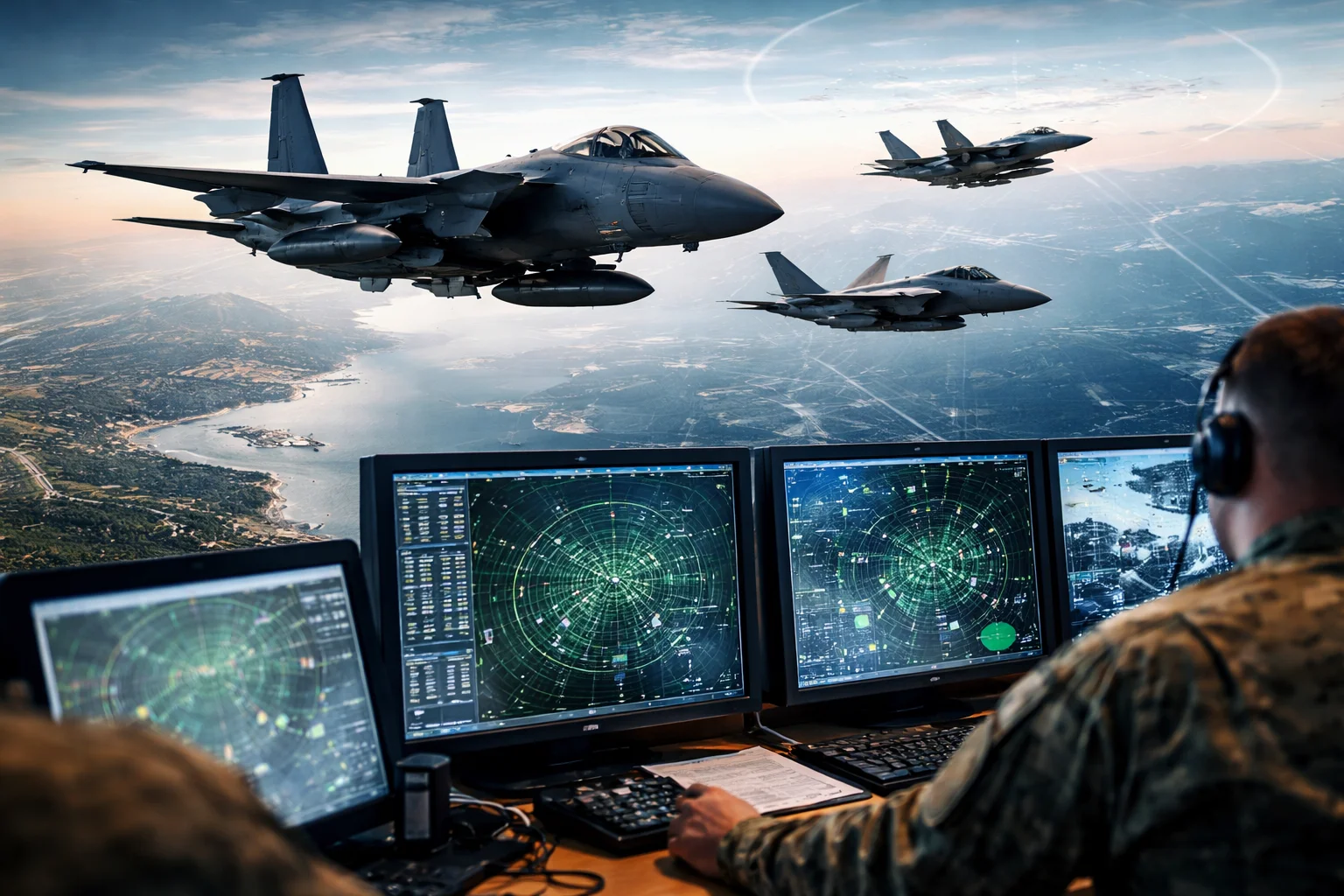
One common misconception is that military aviation operates entirely separately from civilian air traffic systems. In reality, coordination is constant. Military controllers communicate with civil air traffic services to share airspace, manage transitions, and ensure safe separation.
This cooperation allows commercial flights to continue safely even when military activity increases. It also ensures that emergency or priority military flights can move quickly when required.
See also Breaking Aviation News: How Airlines, Airports, and Airspace Are Changing
How Airspace Control Enhances Safety
Airspace control is fundamentally about risk management. Clear boundaries, communication protocols, and standardized procedures reduce the chances of mid-air conflicts or navigation errors. Military aviation relies heavily on these systems, especially when operating high-performance aircraft or conducting complex maneuvers.
By using defined airspace structures, air forces can train realistically while maintaining predictable behavior for other airspace users.
How Air Force Movements Affect Civilian Aviation
From the passenger perspective, military aviation is often noticed only when it causes delays or reroutes. Understanding the broader system helps explain why these impacts are usually limited and temporary.
Temporary Restrictions and Flight Rerouting
When military operations require exclusive use of an airspace segment, civilian flights may be redirected. These changes are planned to minimize disruption and are often scheduled during periods of lower commercial traffic when possible.
Rerouting does not mean reduced safety. On the contrary, it reflects careful planning to keep different types of aircraft separated.
Noise, Visibility, and Public Awareness
Military aircraft can be louder or more visible than civilian planes, especially during training. This sometimes leads to public concern or speculation. In most cases, these flights are part of routine activity within approved zones rather than responses to unusual situations.
Understanding this context helps reduce unnecessary alarm and encourages informed discussion.
Emergency and Priority Operations
Certain military flights receive priority access to airspace due to humanitarian, security, or safety reasons. These priorities are defined within aviation rules and are applied consistently, not arbitrarily. Civilian aviation systems are designed to accommodate these exceptions while maintaining overall traffic flow.
Common Misconceptions About Military Aviation Activity
Many assumptions about military air movements persist because of limited public information. Clarifying these ideas helps build a more accurate picture.
Military Flights Are Not Always Reactive
Not every increase in military air activity signals a crisis. Training cycles, equipment upgrades, or routine readiness checks can all lead to noticeable changes in flight patterns without any immediate external cause.
Airspace Control Is Not Constantly Changing
Although restrictions may appear sudden, the underlying airspace structure is relatively stable. Temporary changes are layered on top of long-standing frameworks that are designed to support both military and civilian needs over time.
Secrecy Does Not Mean Lack of Oversight
While some details remain confidential, military aviation operates under national and international oversight systems. Safety standards, airworthiness requirements, and coordination protocols are enforced consistently.
Why Airspace Control Remains Central to Military Aviation
As aviation technology evolves, the need for effective airspace management grows rather than diminishes.
Managing Complexity in Crowded Skies
Modern airspace hosts commercial jets, cargo aircraft, helicopters, drones, and military platforms. Clear control systems allow all of these to coexist safely. Military aviation depends on this structure to operate effectively without increasing risk for others.
Balancing Flexibility and Predictability
Air forces require flexibility to train and respond to changing conditions. At the same time, aviation safety depends on predictable behavior. Airspace control systems exist to balance these needs, allowing adaptation without chaos.
Supporting Long-Term Strategic Readiness
Consistent airspace access enables long-term planning, pilot development, and equipment testing. Without stable control frameworks, military readiness would be harder to sustain.
Frequently Asked Questions
Why do military aircraft sometimes fly in unusual patterns?
Military aircraft often fly specific patterns to support training, surveillance, or testing objectives. These routes are designed to meet mission needs while staying within approved airspace structures.
Do military flights follow the same safety rules as civilian aircraft?
Yes. While operational requirements differ, military aviation adheres to established safety standards and coordination protocols to prevent conflicts and maintain airspace safety.
Can civilians access information about restricted airspace?
General information about airspace classifications is publicly available, though specific mission details may not be shared. This balance helps maintain transparency without compromising security.
Conclusion
Military aviation operates within a structured, carefully managed system that prioritizes safety, readiness, and coordination. Air force movements are shaped by long-term responsibilities rather than short-term events, and airspace control provides the framework that makes those movements possible.
By focusing on how these systems generally work, it becomes easier to understand why military aircraft fly where they do and how civilian aviation continues to function alongside them. This broader perspective replaces uncertainty with clarity and helps readers view military aviation as an integrated part of the global airspace environment rather than an unpredictable force.

Related Posts